It’s well known that snow in New York gives the city a special atmosphere, transforming streets, parks, and skyscrapers into scenes that look straight out of a movie.
In Manhattan, Brooklyn, or along the Hudson River, the first snowfalls immediately change the pace of urban life: sounds become softer, the architecture stands out more clearly, and iconic locations such as Central Park, the Brooklyn Bridge, and the brownstones of the Upper West Side take on an instantly recognizable charm.
For many visitors, the New York winter is one of the most magical moments to experience the city, because while it remains dynamic and vibrant, it also acquires a more intimate and surprising character.
From a climate point of view, snowfall usually begins between December and January and reaches its peak in February (although in some years flurries have been recorded as early as November or in the first half of March).
Winters are generally stable, with temperatures often dropping below freezing and the wind increasing the perceived chill, especially in exposed areas such as Midtown and Lower Manhattan. This, however, does not prevent the city from functioning: New York is used to snow and continues to operate normally, except during the most intense winter storms.
During light snowfalls, daily life continues with little disruption: parks become even more scenic, streets fill with people taking photos, and some of the city’s most iconic spots reveal the winter landscapes many travelers hope to see.
With moderate snowfall, some outdoor activities may be limited and public transportation may require a bit more patience; but when a true snowstorm hits, the City communicates through official channels any restrictions, safety recommendations, or temporary service suspensions.
Even so, winter remains an extraordinary season to explore New York: snow enhances the character of its historic neighborhoods, makes walks through Central Park unforgettable, provides unique photo opportunities in DUMBO and along Broadway, and allows visitors to enjoy the city at a slower, more reflective pace.
It is also, as we’ll see, the perfect time to enjoy countless indoor activities (museums, observatories, galleries, historic cafés), which become even more inviting when the city is wrapped in cold weather.
When Does It Snow in New York?
Winter in New York is marked by cold temperatures, wind, and an alternation of clear days and precipitation that can turn into snow early in the season. Light snowfalls sometimes appear between late November and early December, but the heaviest accumulations generally occur between January and February.
On average, Manhattan receives several dozen centimeters of snow each year, with notable variation from one season to another: some winters are mild, while others are marked by sudden storms that quickly blanket entire neighborhoods.
For those visiting during this season, it is important to know that average winter temperatures hover around 0°C (32°F), but the “wind chill” — the combined effect of cold and wind — can make it feel much colder, especially along the broad avenues of Midtown or the Hudson River shoreline.
Weather conditions are also highly changeable: the city can shift within hours from light rain to heavy snow, or vice versa, especially when ocean currents bring more humid air. In general, there are three main levels of snowfall:
- light snow, which covers parks and rooftops without causing major disruptions;
- moderate snowfall, which may reduce visibility and slow traffic, although New York clears streets quickly thanks to systematic salting and snow removal;
- stronger storms, known as “snowstorms” or, in the most extreme cases, “blizzards,” where heavy snow is accompanied by strong winds and very low visibility; these events are relatively rare.
Services and Transportation in New York During Snowfall
During snowfalls, the city continues to operate efficiently thanks to a well-tested weather management system designed to minimize disruptions for both residents and visitors. There are rapid procedures in place to keep roads, public transportation, and essential services functioning even in the heart of the New York winter, a city accustomed to hosting millions of people.
Snow removal begins within the first few hours after precipitation: the Department of Sanitation deploys salt spreaders and snowplows along all major arteries, then continues onto secondary streets and sidewalks.
The busiest areas—such as Midtown, Lower Manhattan, and zones near subway stations—are cleared particularly quickly; in residential neighborhoods, however, the process generally takes more time, especially after heavier snowfalls.
Subway
During severe weather, the subway is the most reliable means of transportation in the city. Complete service suspensions are rare (and occur mainly during blizzards, the most intense storms described earlier).
With moderate snowfall, trains continue to run, though with possible delays or slight changes in frequency.
Buses
The situation is different for buses: they are more exposed to road conditions and, during snow, are subject to delays, detours, and in some cases temporary suspension of service along steep or hard-to-clear routes.
Bridges
The bridges connecting Manhattan to Brooklyn, Queens, and the Bronx generally remain open during most snowfalls, but may close to pedestrians during periods of strong winds or significant ice. Some outdoor activities (such as the High Line or certain waterfront viewpoints) may also be temporarily inaccessible for safety reasons.
Airports
As for airports, JFK, LaGuardia, and Newark all have de-icing systems and runway clearing procedures that minimize disruptions. Light snowfall usually does not cause major issues, but a snowstorm can easily lead to cancellations, delays, and rescheduled flights, especially in windy conditions.
For anyone visiting New York in winter, it is strongly recommended to monitor the city’s official communications (intended for residents but extremely useful for travelers), especially through:
- MTA, the agency that manages subways and buses: its website and app provide real-time information on delays, detours, or temporary closures;
- NYC311, the City of New York’s information service, where updates on street cleaning, weather alerts, and measures activated during winter storms are published.
NYC WITH SNOW - PHOTO GALLERY
Where to Go When It Snows: The Most Beautiful Places to See
A snowfall makes New York especially photogenic and enhances certain neighborhoods more than others. On snowy days, there are areas that truly deserve a walk because the snow highlights their perspectives, colors, and architecture.
Fortunately, many of these locations remain easy to reach even during bad weather, thanks to the quick clearing of main streets and the presence of short, safe walking routes.
Central Park
Walking the paths near The Mall, reaching Bethesda Terrace, and admiring Bow Bridge surrounded by snow-covered trees is one of the most iconic winter experiences in New York. The main internal roads of Central Park are cleared fairly quickly (though secondary paths may remain slippery). The pond next to Gapstow Bridge, located in the southeast corner of the park, is one of the best spots for photos with the skyline in the background.
DUMBO and the Brooklyn Bridge
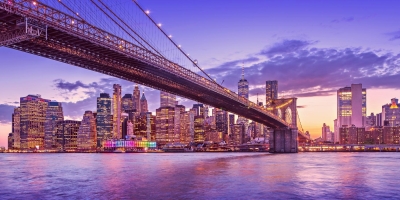
The neighborhood of DUMBO, located between the Manhattan and Brooklyn Bridges, is especially striking when snow falls in New York: the view of Washington Street with the snow-dusted Manhattan Bridge is one of the most photographed scenes in the city.
The Brooklyn Bridge remains open to pedestrians during most snowfalls, although the walkway can become slippery as snow accumulates. On windy days, the crossing can be less comfortable, but for those who choose to walk it, the snowy views of Lower Manhattan are more than worth the effort.
Brooklyn Heights Promenade
This panoramic walkway above the East River offers sweeping views of the Manhattan skyline while snow falls or settles on rooftops. It’s a peaceful spot, beloved by residents, and usually accessible even during moderate snowfall thanks to the timely clearing of the main path. Views stretching toward the Financial District and the Brooklyn Bridge are among the most scenic of the entire winter season.
Bryant Park and Midtown
Bryant Park is perhaps one of the places where snowfall is perceived the quickest, as the trees and historic façades surrounding it catch the white flakes instantly. The area remains easy to reach (it is surrounded by several subway lines).
Midtown is also spectacular in the snow, with its modern buildings taking on softer tones and striking contrasts, especially along the side streets between Fifth and Sixth Avenue. Since sidewalks are cleared frequently, the district is easy to explore even right after snowfalls.
High Line (if open)
The High Line is charming during light snowfalls, when vegetation and metal walkways become coated in a uniform layer of white. However, the walkway may temporarily close in case of ice, strong winds, or heavy accumulation.
When accessible, it offers unique winter views over the Meatpacking District, Hudson Yards, and the river—scenery that looks completely different compared to other seasons.
West Village and Greenwich Village
The tree-lined streets of the West Village, with its characteristic brownstones and brick façades, are perfect for a short stroll during light snow. It’s one of the areas where snow tends to linger the longest on branches and rooftops, creating a cozy, peaceful atmosphere. Getting around on foot is easy, as the neighborhood is flat and compact.
Upper West Side
The elegant streets of the Upper West Side—especially around West 70th to 90th Street—are particularly charming when it snows. Historic façades, tree-lined avenues, and the passages leading into Central Park create an ideal backdrop for anyone wanting to capture unforgettable winter photos of New York.
What Else to Do in New York When It Snows
A simple snowfall certainly doesn’t stop visitors from enjoying the city—quite the opposite. Many activities become even more pleasant thanks to the winter atmosphere and the slower pace that follows the falling snow. New York remains fully operational and offers countless opportunities, all easy to reach even when the streets are snowy but already partially cleared.
Ice Skating in the Main Rinks
Ice skating is one of the most scenic and enjoyable winter activities in New York, and the city's most famous rinks continue operating during most light snowfalls. For example, Rockefeller Center, Wollman Rink in Central Park, and the Bryant Park rink all stay open during winter weather (with rare closures only in cases of high winds or severe conditions).
Observation Decks
Many observatories remain accessible even during snowy weather. Don’t miss the indoor viewing platforms at the One World Observatory, the Empire State Building, and the Top of the Rock, which allow you to admire the city from above without being exposed to the cold.
Boat Tours
Some companies operating sightseeing cruises along the Hudson and East River continue to run in winter. Of course, departures may be cancelled during heavy snowfall, but these cruises can still be a comfortable and unique way to explore Manhattan without too much walking.
Indoor Shopping and Walks
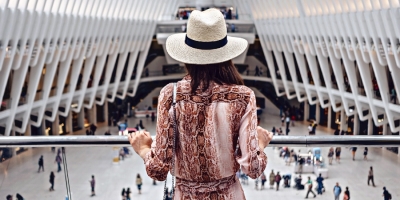
On colder or “slippery” days, malls and indoor spaces are an excellent alternative. Hudson Yards, The Shops at Columbus Circle, the Winter Garden at Brookfield Place, and the Oculus at the World Trade Center are all great places to shop and explore without facing the elements. They are also conveniently accessible by subway.
Cafés, Bakeries, and Indoor Markets
Snowy days in New York are the perfect excuse to discover some of the city’s coziest cafés. Between Manhattan and Brooklyn, you’ll find countless artisanal bakeries, historic establishments, and indoor markets such as Chelsea Market and Essex Market.
Museums and Indoor Activities
When the weather makes outdoor walks less comfortable, New York offers an abundance of indoor spaces perfect for continuing your visit. Here are just a few of the most popular cultural venues, museums, and indoor destinations ideal during snowfalls or very cold days:
- The Metropolitan Museum of Art (Upper East Side)
- American Museum of Natural History (Upper West Side)
- Museum of Modern Art – MoMA (Midtown)
- Whitney Museum of American Art (Meatpacking District)
- Brookfield Place – Winter Garden (Battery Park City)
- Oculus – Westfield World Trade Center (Lower Manhattan)
New York in the Snow: What to Wear
Facing the New York winter requires clothing suited to low temperatures. Because of the wind, the perceived temperature is often much colder than what the thermometer indicates (especially along the exposed avenues of Midtown or near the rivers). To get around comfortably, it’s helpful to dress in a way that keeps you warm outdoors without overheating indoors, where heating is typically strong.
The most effective approach is layering—dressing in layers. A thermal top or technical base layer provides a reliable foundation, paired with a warm fleece or wool layer and a waterproof or water-resistant winter jacket. Choosing outerwear with a hood and materials that can withstand snow mixed with rain is highly recommended, as this weather pattern is common when temperatures sit around freezing.
Footwear is one of the most important elements: freezing temperatures can make many sidewalks slippery, especially in the hours following a snowfall. Choose shoes with anti-slip soles, good traction, and waterproof materials. Winter boots or lightweight hiking shoes are practical options. Thermal socks are also an excellent idea on especially cold days.
To protect your head and face from the biting wind, bring a warm hat and scarf, as well as well-insulated gloves.
Lastly, don’t forget a small waterproof bag or backpack to protect your camera, phone, and documents from the snow.
What to Avoid When It Snows in New York
As noted earlier, you can move around fairly easily during light snowfalls, but certain situations and areas of the city can become more challenging as temperatures drop and snow begins to accumulate. A few precautions help avoid inconveniences and make a winter visit to New York safer, especially for first-time visitors.
- Check the condition of major pedestrian bridges (such as the Brooklyn, Manhattan, and Williamsburg Bridges) before crossing them. Even when open, the pavement can be slippery, particularly in windy areas.
- Verify access to the High Line and waterfront viewpoints in Manhattan and Brooklyn. During blizzards, the metal structure and elevated paths become difficult to keep safe and may be closed.
- Be cautious in residential neighborhoods (especially those with brownstones): some sections may not be fully cleared, particularly in the hours following heavier snowfalls. Pay attention near bus stops and crosswalks.
- Avoid long trips during a snowstorm. City authorities issue “travel advisories” urging residents and visitors to limit unnecessary outings and stay close to their accommodations. During such conditions, it’s best to choose indoor activities within a few blocks.
- Use caution near the rivers (Hudson and East River), especially when strong winds are present.
Historic Snowfalls in New York (and One Last Tip)
Over the years, New York City has experienced several noteworthy snowstorms that left a lasting impression. Among the most significant events:
- The Blizzard of 1996, which brought snowfall far above seasonal averages and slowed city traffic for several days;
- The 2010 storm, known for the speed with which it blanketed entire neighborhoods overnight;
- The 2016 storm, which covered the city in one of the highest accumulations recorded in recent decades;
- The 2021 snowfall, which once again demonstrated the city’s ability to quickly restore services and transportation even under challenging conditions.
These events are relatively rare but show how variable New York winters can be, and why keeping an eye on official advisories is always useful.
Most snowfalls, however, are managed smoothly and allow visitors to enjoy the city without major issues—balancing short walks, museums, indoor markets, and outdoor activities whenever weather permits.
Those who wish to explore New York in the snow can absolutely do so independently. But to make the experience easier—especially in the days immediately following heavier storms—relying on a local tour operator can be incredibly helpful for optimizing travel and finding the most accessible and scenic areas.
WINTER STORM IN NEW YORK CITY









.jpg)



















 Loading...