
Chinatown in New York: A Corner of the Far East in the Heart of Manhattan
A guide to exploring this iconic NYC neighborhood.

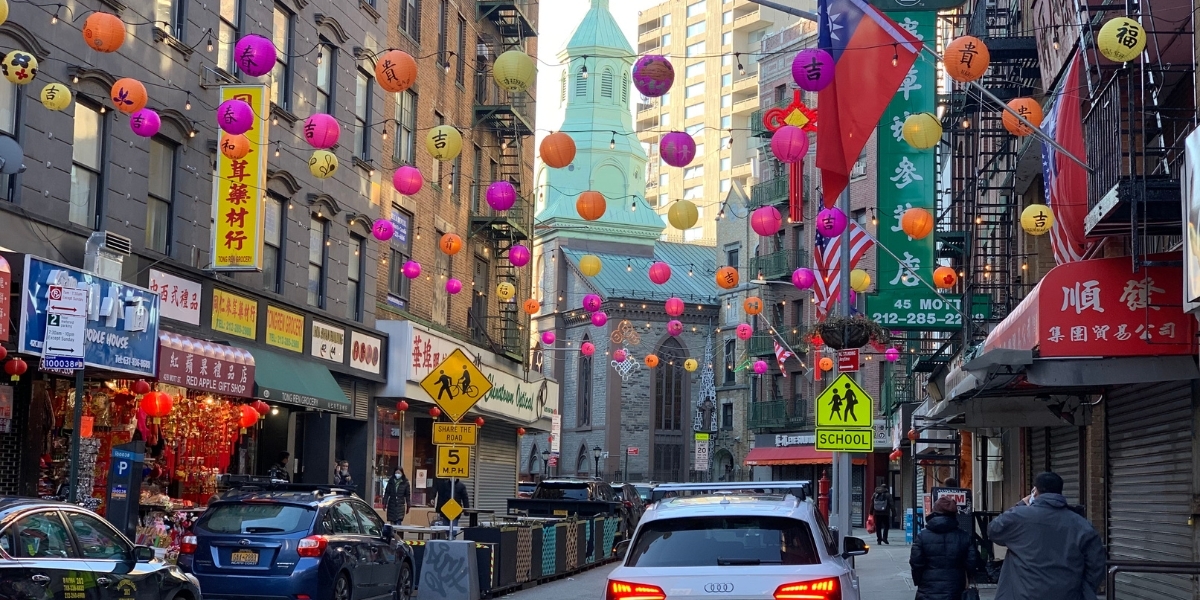

Visiting Chinatown in New York means stepping into a neighborhood where Chinese culture is woven into the fabric and history of Manhattan, with bustling streets, traditional shops, Buddhist temples and restaurants serving some of the most interesting dishes in Asian cuisine.
Over the years, the neighborhood has spread into the surrounding areas, taking over part of what was once known as Little Italy. If you’re planning a trip to the Big Apple, it’s well worth setting aside a few hours for this part of Lower Manhattan, perhaps combining your visit with Little Italy and SoHo.
In this guide, you’ll find what to see in Chinatown, New York, which streets to explore, where to taste the best Chinese food and how to get to the neighborhood by subway.
Chinatown in New York: History and Identity of the Neighborhood
The history of Chinatown in Manhattan is tied to the waves of immigration that helped turn New York into one of the most multicultural cities in the world. During the 19th century, many Chinese immigrants came to the United States in search of work and new opportunities. Some settled in Manhattan, giving rise to a community that, over time, would build its own network of businesses, associations and gathering places.
The Chinese community’s first businesses were concentrated mainly around Mott Street, still one of the most representative streets in the neighborhood. Over the years, the settlement grew, and Chinatown became a point of reference for new arrivals from China and for the generations that followed.
The community’s growth was not always easy: discrimination and immigration restrictions kept the neighborhood’s residents isolated for a long time. Despite these difficulties, Chinatown managed to strengthen its identity through its businesses and cultural activities, which soon began to flourish.
Today, the neighborhood is a mosaic of languages, flavors and traditions. Signs in Chinese characters, traditional food markets, bakeries and restaurants coexist with local businesses and with the changes brought by Manhattan’s real estate market.
Chinatown and Little Italy: Two Different Yet Similar Communities
One of the most interesting aspects of New York’s Chinese neighborhood is its relationship with Little Italy. The two areas sit side by side and, in different ways, tell the story of immigration in Manhattan.
Between the late 19th and early 20th centuries, Little Italy was the main point of reference for many Italian immigrants. The streets were lively with workshops, bakeries, restaurants and businesses run by families from Italy. Over the generations, many Italian Americans moved to other neighborhoods or out of Manhattan.
At the same time, Chinatown kept growing, expanding beyond its original boundaries and taking over some streets that were once considered part of historic Little Italy.
Today, Mulberry Street is one of the places that best captures the blend of these two communities. Here you’ll find typically Italian restaurants and shops, and just a few blocks away you’ll find yourself immersed in Chinese culture.
Little Italy still keeps its own identity, especially during the Feast of San Gennaro, when the streets fill with stalls, food stands and celebrations of Italian American culture.
Visiting both areas on the same day is a great way to understand how New York has changed over time.
What to See in Chinatown, New York
Chinatown is best explored on foot. The ideal way to discover it is to stroll without hurrying, looking in shop windows, stepping into small stores and letting yourself be guided by the aromas drifting from restaurant kitchens.
Canal Street: Shops, Markets and Street Life
Canal Street is one of the best-known thoroughfares in the area. It’s an important crossing point between several Lower Manhattan neighborhoods, famous for its shops, its signs and the constant flow of residents and visitors.
Here you’ll find accessories, souvenirs, housewares and countless stores. It’s a lively and often crowded street, especially popular with bargain hunters.
Our tip: don’t stop at the big stores on the main drag, but wander into the side streets too, where the atmosphere changes and gives way to small neighborhood businesses.
Mott Street: The Heart of Chinatown
To discover the historic soul of Chinatown, head to Mott Street: considered one of the signature streets of Manhattan’s Chinese community, it’s still lined with signs, specialty shops, restaurants and traditional businesses.
Doyers Street and the Story of the Bloody Angle
Doyers Street is a small street that stands out from Manhattan’s regular grid because of its winding path. It’s also known as the Bloody Angle, a name linked to the violence that marked Chinatown between the late 19th century and the early decades of the 20th.
At that time, criminal organizations known as tongs were caught up in rivalries and conflicts over control of businesses and territory. Doyers Street became one of the places associated with these grim events, which over time earned it its reputation as a “dangerous corner”.
Today, the street has a very different atmosphere: with its bars, restaurants and distinctive facades, it’s a stop that fascinates curious visitors who like to discover Manhattan’s less polished side too.
Pell Street: A Street to Explore
Just steps from Doyers Street is Pell Street, another historic Chinatown street. Here you’ll find restaurants, shops and signs that paint a lively picture of the local community.
The charm of Pell Street lies above all in its intimate scale: step away from the busiest thoroughfares and you’ll discover corners that invite you to slow down and watch the neighborhood’s daily life.
Mahayana Buddhist Temple: A Place of Spirituality
One place not to miss in Chinatown is the Mahayana Buddhist Temple, at 133 Canal Street. The temple is known for its large golden statue of the Buddha, which immediately captures the attention of everyone who enters.
The temple offers a break from the bustle of the surrounding streets and a glimpse of a spiritual dimension that matters to part of the community. During your visit, be respectful and check any guidance on access and religious services in progress.
Where to Eat in Chinatown, NYC
Food is one of the main reasons to visit Chinatown. Here you’ll find historic spots, restaurants specializing in traditional Chinese dishes and places for a casual meal without spending much.
To help you choose where to eat in Chinatown, NYC, here are some of the best places in the area.
Nom Wah Tea Parlor: Dim Sum in a Historic Setting
At 13 Doyers Street is Nom Wah Tea Parlor, opened in 1920 and considered one of New York’s longest-running dim sum restaurants: small plates traditionally served with tea, which let you sample many different dishes in the same meal.
It’s especially famous for its steamed dumplings, filled buns and dishes to share.
Peking Duck House: For Peking Duck Lovers
If you want to try a classic of Chinese cuisine, consider Peking Duck House, known for its celebrated Peking duck.
The traditional preparation highlights the crispy skin and tender meat, usually served with thin pancakes and condiments to assemble at the table. It’s a great choice if you’re traveling with others and want to share a showstopper dish.
Joe’s Shanghai: Soup-Filled Dumplings
Joe’s Shanghai is famous for its soup dumplings: dumplings filled with meat and hot broth. What makes them special is the liquid sealed inside the dough. To enjoy them without burning yourself, take your time and follow the traditional way of eating them.
The restaurant is also known for having moved locations over the years. Before you go, check the current address of the active location.
Hwa Yuan Szechuan: The Flavors of Sichuan
For those who love bold flavors, Hwa Yuan Szechuan serves dishes inspired by the Sichuan tradition, a region of China whose cuisine is famous for its generous use of chili peppers and peppercorns.
Columbus Park and Everyday Life in the Neighborhood
To experience the most authentic side of Chinatown, stop at Columbus Park: near Mulberry Street, it’s one of the neighborhood’s main gathering places, open to the public, where it’s not unusual to come across small groups practicing tai chi or playing music.
Columbus Park is also tied to the history of Five Points, an extremely poor part of Manhattan in the 19th century, marked by overcrowding and the harsh living conditions of many immigrants.
This part of the city has inspired stories, books and films, including Martin Scorsese’s Gangs of New York, a fictionalized portrait of the rivalries between gangs and communities in 19th-century New York.
Chinatown, Viral Trends and Pop Culture
In recent years, Chinatown has gone viral on social media thanks to affordable, eye-catching experiences. Among the most shared trends are hair salons offering inexpensive blowouts, as well as spots specializing in street food, bubble tea and snacks to enjoy on a stroll.
Food has also fueled the neighborhood’s social media fame: dumplings, noodles, desserts, tea drinks and unusual creations draw visitors looking for experiences to photograph and share.
How to Get to Chinatown in New York by Subway
Getting to Chinatown is easy thanks to the New York subway. The most convenient stop depends on where you’re coming from and which part of the neighborhood you want to visit.
Useful stations include Canal Street, served by several subway lines, and Grand Street, within walking distance of central parts of Chinatown. You can also consider Chambers Street, especially if you want to combine your visit with other stops in Lower Manhattan.
Lines and exits vary depending on the station: before you set out, check the official subway map or an up-to-date navigation app.
Once you arrive, the best way to explore Chinatown is on foot: the main sights are fairly close to one another, and you can see the whole neighborhood without using any other transportation.
Map: Chinatown
Itinerary for Visiting Chinatown and the Surrounding Area
For a first visit, you can spend two or three hours in Chinatown, allowing more time if you want to stop for lunch or browse the shops at your leisure.
Start on Canal Street and continue to Mott Street, to soak up the neighborhood’s atmosphere right away. Then head to Doyers Street and Pell Street, where you’ll see some of the area’s most distinctive corners. If you’re interested in the cultural and religious side, add a stop at the Mahayana Buddhist Temple, checking access conditions beforehand.
For lunch, choose one of the restaurants specializing in dim sum or dumplings. Alternatively, try a more casual spot and keep strolling past the shops.
If you have more time, stop by Columbus Park to watch daily life in the neighborhood, then continue on to Little Italy. This way, you can compare two neighboring areas with different histories and identities. If you’d like a guided route, consider a walking tour of Chinatown, Little Italy and the Lower East Side.
Chinatown New York FAQs
To see the main streets and stop for a meal, allow two or three hours. If you also want to visit Little Italy, go shopping and try several restaurants, plan for half a day.
Chinatown is a neighborhood busy with residents and visitors. As in any big city, keep an eye on your belongings, especially on crowded streets and public transportation, and take the usual precautions in the evening.
The best-known streets include Mott Street, tied to the history of the Chinese community, and Canal Street, famous for its shops and constant bustle. Doyers Street is also worth a stop for its history and unusual layout.
Well-known spots include Nom Wah Tea Parlor for dim sum, Peking Duck House for Peking duck, Joe’s Shanghai for soup dumplings and Hwa Yuan Szechuan for Sichuan cuisine. Before you go, check menus, hours and current addresses.
Yes, the two neighborhoods are next to each other and can be explored on the same walk. Start in Chinatown, stop for lunch and continue to Mulberry Street, then on to SoHo or the Lower East Side if you like.
Canal Street is one of the most practical stops, but Grand Street can also be useful depending on your itinerary. Check the available lines and choose the station closest to your first stop.
Absolutely. It’s a fascinating area for discovering a different side of Manhattan, tasting Chinese food and learning about an important chapter in the history of immigration.
- Private Walking Tours™
- Private Bespoke Experiences™
- NYC Vacation Packages™
- Corporate & VIP™
- Escorted Coach Tours
- Cruises & Helicopters
- Museum Tickets + NYC Passes
- Broadway Shows
- NYC by Night: Cruises & Activities
- NYC by Holidays: Cruises & Activities
- Restaurants
- Day Trips & Extended Tours
- Guided City Tours
- Bike Tours




.jpg)






 be free!


Unforgettable holiday in New York, fantastic tour operator Irene, who introduced us to the city in all its beauty by telling us the story and describing passionately the life of the place. [...] Irene, I was able to see a Yankees tie as a fan, a dream of mine in the drawer..thanks for your help. Top. Thanks.
From TripAdvisor - May 2025

During my recent trip to New York, I had the pleasure of meeting Irene who accompanied us on a tour of the city, and the experience was unforgettable. From the first moment, she was welcoming, knowledgeable and incredibly passionate [...]
From Google - Feb 2025
We relied on them to organize a group tour in New York. Professional, precise, helpful, friendly. We can only thank Mr. Tony, who followed us impeccably in the planning, and his daughter Irene, an extraordinary guide, who showed us New York in a way that we will not forget. [...]
From Google - November 2024

I am the owner of a Travel Agency. We are Italian in Erba, Eolo travel, I brought a small group and I entrusted myself to Tony. We received great service from start to finish. Punctuality and excellent guides.Thank you for the wonderful experience!!!
From Google - May 2024

Irene? as I have already said elsewhere, she truly deserves all the compliments that are paid to her. Available, friendly, prepared, in short, if you need an Italian speaking guide in New York, she is the right person. You deserve 5 stars and more!
From TripAdvisor - April 2024

An extraordinary experience: I had the pleasure of having Irene as my guide for two days and thanks to the passion she puts into guiding you through the streets of NYC, the anecdotes, the trivia she lets you discover, and the facets she shows during the tour you can't help but fall even more in love with this wonderful city.
From Google - February 2024

Excellent guide, excellent organisation, Irene always ready to respond, available in every topic with competence, you can feel the passion for her work. Her voice accompanied our tour, we will miss you!
From Google - January 2024

[...] unique, very professional, courteous, friendly we can only write positive adjectives, you made us feel at home and have the desire to return. Super recommended. Erica, Marco, Annalisa and Giuseppe.
From Google - December 2023

We did 2 tours together with our guide Irene in one day, Hoboken and the East side. What can I say, in addition to the wonderful places, she has made everything more magical [...]
From Google - January 2023

Irene was a FANTASTIC tour guide! She was so knowledgeable about the area and was so patient with all our questions. We stopped to use the bathroom and we got coffee halfway through, she was so kind! It was a pleasure learning about Brooklyn from you!
From TripAdvisor - April 2022

I’m the biggest fan of Fall activities, but haven’t had a chance to do anything beyond Apple Picking in NJ. I decided to take a last minute 2 day trip with a friend in Hudson Valley, but didn’t know where to start [...] Thankfully I was able to use New York Welcome to do the hard work for us [...]
From TripAdvisor - October 2021
- New York City Travel Guide
- How Much Does New York Cost?
- Christmas in New York
- Best Rooftop Bars in NYC: Where to Drink with a View in New York
- Time Zone and Jet Lag
- Accommodations: Choose Where to Stay
- New York City Public Transportation
- Weather: Fall in New York
- Weather: Winter in New York
- Weather: Spring in New York
- Weather: Summer in New York
- 101+ Excursions in New York City
- Grand Central Terminal
- Covid-19 Updates
- Niagara Falls Day Trip by Airplane™
- Washington DC - Visit the Capital
- Niagara Falls & Toronto & 1000-Islands
- American Triangle: 5-Day Excursion
- American Getaway: 4-Day Excursion
- Discover Boston in 1 Day
- 1-Day: The Hamptons & The Beaches
- How to Visit Niagara Falls From NYC
- NYC & Orlando Travel Package™
- NYC & Chicago Travel Package™
- Pre- or Post-Cruise Escapes™





 Loading...