





4th of July in New York: Independence Day with Fireworks, Parades, and Traditions
Happy Birthday America!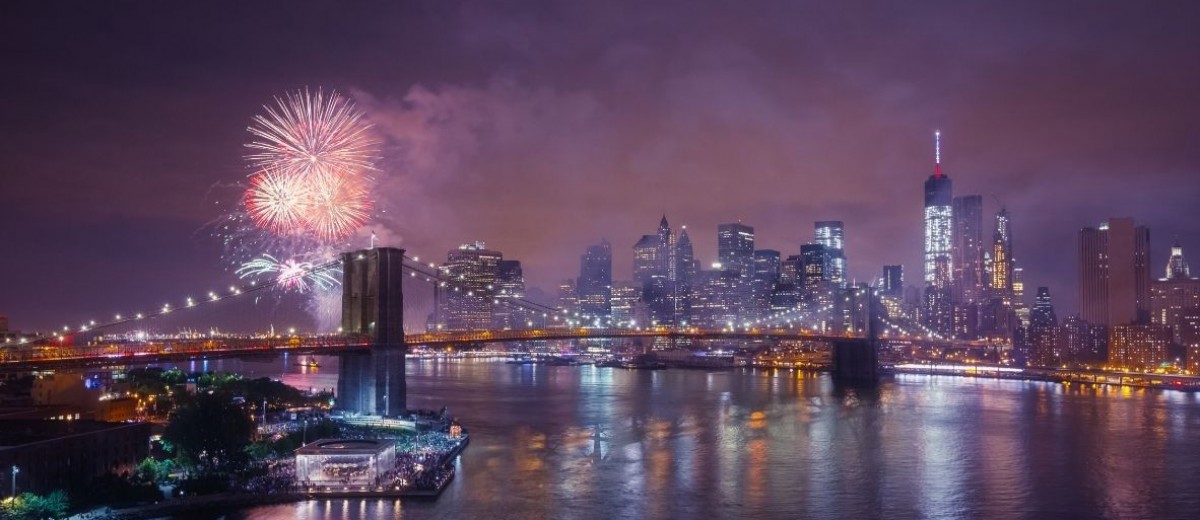


Date:
07/04/2026
Categories: Events

Experiencing July 4th in New York means stepping into the heart of one of the most important and meaningful celebrations in the United States.
This isn't “just” a national holiday — it's a collective experience that brings together millions of people, residents and visitors alike, where history and commemoration weave together with pure, unfiltered celebration: on one side, the memory of a nation's founding; on the other, a city that transforms into a living stage for events, performances, and shared moments.
If you're planning a trip to New York around this time, knowing what to expect is essential. July 4th is not a regular day: traffic patterns change, public transit runs modified schedules, certain areas are closed to vehicles, and the number of visitors spikes significantly. Moving around the city without some basic planning — especially near the waterfront, where the main events take place — can quickly become overwhelming.
This guide brings together everything you need to experience July 4th with confidence: from the story behind Independence Day to practical advice on where to go, what to do, and how to pace your day — so you can plan something genuinely memorable, without the stress.
What Is Independence Day and Why Is It Celebrated on July 4th
July 4th is more than a spectacular display of fireworks and large-scale celebration — it marks one of the most significant dates in American history. This is the day the Declaration of Independence was signed in 1776, formally establishing the separation of the thirteen American colonies from Great Britain.The holiday is observed every year to honor the country's origins and the values it was built upon: liberty, equality, and self-determination.
While the story began in Philadelphia, it is in New York that the celebration has taken on a scale and spectacle unlike anywhere else. Over the decades, July 4th here has evolved from a historical commemoration into a massive collective event capable of drawing millions of people from across the country and around the world.
The Birth of a Nation: July 4th, 1776
July 4th, 1776 marks the official birth of the United States as an independent nation. On this date, the Declaration of Independence was adopted — the document through which the thirteen American colonies declared their break from Great Britain.The Declaration was far more than a formal act: its content had a profound and lasting impact, and it remains one of the most important documents in modern history.
The way Americans celebrate the Fourth has evolved considerably over time. In the 19th century, July 4th in New York meant local parades, patriotic speeches, and handmade fireworks. By the 20th century, public events became increasingly organized, spreading across every borough and drawing visitors from around the world.
A turning point came in 1958, when Macy's staged its first major fireworks show to mark its centennial. From that moment on, fireworks became the defining symbol of July 4th in New York, drawing millions of spectators to the banks of the Hudson and East Rivers every year.
Today, the city manages to combine patriotism, spectacle, and community in a way that is entirely its own. Every July 4th, every corner turns red, white, and blue — creating an atmosphere that stays with you long after the last spark fades.
Must-See Events on July 4th in New York
New York is the beating heart of Fourth of July celebrations, and it's here that the most spectacular and iconic events unfold.The most anticipated of all is undoubtedly Macy's 4th of July Fireworks: one of the most famous pyrotechnic displays in the world. First staged in 1976, the show typically takes place along the East River or Hudson River — the exact location varies each year and is confirmed in June. Thousands of shells are launched in sequence, synchronized to a musical score, creating a visual experience that is genuinely breathtaking.
Another event worth knowing about is Nathan's Hot Dog Eating Contest, held every year at Coney Island. This competitive eating tradition, born in 1916, has become a uniquely American institution: contestants race to eat as many hot dogs as possible within a set time limit. It sounds absurd — and it is — but it's also one of the most watched and genuinely beloved expressions of the July 4th spirit.
For music lovers, New York Philharmonic Concerts in the Parks is another highlight worth penciling in. While the schedule varies from year to year, these free concerts are often held in the days surrounding July 4th at iconic locations like Central Park, pairing classical music with an outdoor atmosphere that is hard to replicate.
In the days around the Fourth, many neighborhoods also host local celebrations — events in Brooklyn and Manhattan parks, waterfront activations with live music, DJ sets, and open-air entertainment that give the holiday a more intimate, neighborhood feel.
Exclusive Experiences: Rooftops, Cruises, and Dinner with a View
Alongside the free, open-to-all experiences, July 4th is also one of the best occasions to treat yourself to something more elevated. The city offers a wide range of premium options designed for those who want to experience the day with greater comfort — and without worrying about logistics.Harbor cruises are among the most sought-after experiences. They offer a front-row view of the fireworks from the water — away from the crowds, with completely unobstructed sight lines. Many include dinner, open bar, and onboard entertainment, making them the ideal choice for anyone who wants to skip the long waits and take in the show in style.
Rooftop venues are another popular option. New York is famous for its panoramic bars and event spaces, and on July 4th many of them host special evenings. The combination of city views, music, food, and fireworks overhead creates something genuinely magical — perfect for those who want comfort and atmosphere in equal measure.
In both cases, booking well in advance is essential. Availability is limited, and the best spots fill up fast.
July 4th, 2026: Special Events for the 250th Anniversary
2026 is a landmark year — it marks the 250th anniversary of the Declaration of Independence. This milestone will be commemorated with extraordinary events designed to honor a genuinely historic occasion.Among the most anticipated are Sail4th 250, a major tall ships parade organized for the occasion; performances by the Blue Angels (the U.S. Navy's elite flight demonstration team); and symbolic moments like a special Times Square Ball Drop in a format created specifically for the bicentennial-plus-fifty. These events will draw significant media attention and even larger crowds than a typical July 4th.
Cultural institutions like the New York Public Library will also participate, with exhibitions and programs dedicated to American history.
This makes 2026 a once-in-a-lifetime opportunity to experience July 4th in New York at its most meaningful and spectacular. Exactly for this reason, we strongly recommend researching events and making travel arrangements as early as possible.
Macy's Fireworks: The Defining Moment of July 4th
When it comes to July 4th in New York, Macy's Fireworks are the moment everyone is waiting for. Over the years, this event has become the defining symbol of Independence Day celebrations — drawing millions of spectators in person and tens of millions more watching the live broadcast.What sets this show apart isn't just its scale — it's the craft behind it. The fireworks are designed to be perfectly synchronized with music, creating an immersive, multisensory experience. Every sequence is meticulously choreographed, with effects that grow more sophisticated each year and a runtime that, while brief, leaves a lasting impression.
For anyone visiting New York at this time, watching Macy's Fireworks isn't just one activity among many — it's often the single most anticipated moment of the entire trip. That's exactly why it deserves careful planning.
History and Background
Macy's Fireworks were born in the 1970s as an initiative by the iconic department store, with the goal of creating a spectacular celebration of July 4th unlike anything the city had seen before. Over the decades, the show has grown steadily — in ambition, in technical complexity, and in its impact on the city itself — until it became one of the largest pyrotechnic events in the world.Each edition introduces something new: special effects, increasingly elaborate color combinations, and musical synchronization that turns the whole thing into a choreography performed in the sky. Thousands of shells are launched from multiple barges positioned along the river, creating a visual experience that is both sweeping and surprisingly intimate.
The show is also designed with television audiences in mind: certain sequences are specifically crafted for aerial filming, now made even more dramatic through the use of drones.
Timing and Logistics
Macy's Fireworks typically begin around 9:00 PM local time and last approximately 25 minutes. But as you might expect, the evening's logistics start much earlier. By early afternoon, authorities begin managing crowd flow, closing certain streets and regulating access to riverfront areas.It's important to check official sources each year, because both the exact start time and the location can change. This directly affects where you should position yourself and how much time you'll need to get there. Arriving without having verified these details can lead to planning mistakes that are difficult to fix in the moment.
Security is another factor to keep in mind: areas close to the show are often subject to bag checks and restrictions on what you can bring — oversized backpacks, alcoholic beverages, and other items may not be permitted in the most crowded zones.
4TH OF JULY - EAST RIVER


Where to Watch the July 4th Fireworks in New York
Choosing the right spot to watch the fireworks is one of the most important decisions of the entire day. It's not just about finding a good view — it's about weighing several factors at once: crowd levels, accessibility, safety, and how early you'll need to arrive. The wrong choice can undermine the whole experience; the right one can make it exceptional.In New York, the fireworks location can shift from year to year, but they generally take place along one of the two main rivers: the East River or the Hudson River. This means the best viewing spots change depending on the edition — checking updated information in advance is always worthwhile.
Either way, the riverfront areas fill up fast. Plan on arriving well ahead of time. Knowing where to position yourself — and when to get there — is the difference between a relaxed evening and a stressful one.
East River: The Best Spots
The East River is the most common location for the July 4th fireworks. Each year, the barges can be positioned at different points along the East River — near the Brooklyn Bridge, the most popular choice, or further north in Queens, such as Long Island City. These areas offer a view of the fireworks with the Manhattan skyline as a backdrop, creating a genuinely cinematic effect.If the show is centered around the Brooklyn Bridge area, the Brooklyn Heights Promenade and Domino Park are among the most sought-after vantage points — and among the most crowded. The view is excellent, but you'll need to claim your spot early in the afternoon. Plan on arriving by early afternoon and staying put until the show begins.
Hudson River: The Alternatives
The fireworks don't always launch from the East River. In some years, the location has shifted to the Hudson River, on the west side of the city. When that's the case, Manhattan's west side and certain parts of New Jersey offer excellent views.In those years, Hudson River Park becomes one of the most popular gathering spots. It offers open space and unobstructed sight lines — which also means it fills up quickly. The piers along the West Side Highway can also be solid options, provided you get there early.
Compared to the East River, the Hudson tends to offer a slightly more spread-out experience — but it still gets very crowded. When choosing your spot, don't forget to factor in how you'll get home afterward. Exit strategy is often the part people underestimate most.
July 4th in New York


Practical Tips for July 4th in New York
Planning July 4th in New York means paying attention to several practical details that go beyond simply choosing what to see. How you get around, how you manage your time, and how you avoid the situations most likely to derail the day — these things matter.The city, during these holiday peak periods, reaches some of the highest foot traffic of the entire year. This inevitably affects transit, wait times, and access to certain areas. Having even a flexible plan makes the whole day considerably easier to navigate.
Getting Around New York on July 4th
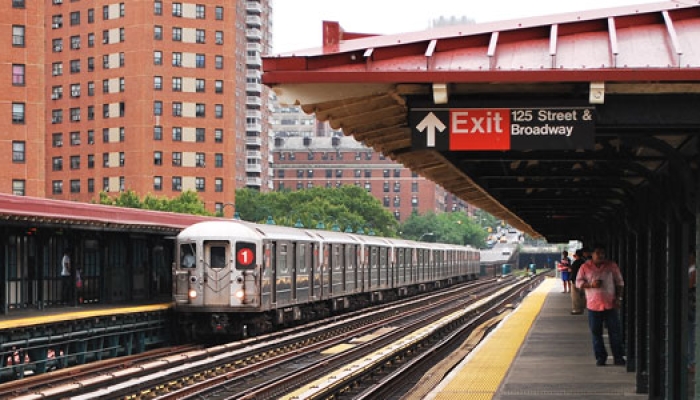
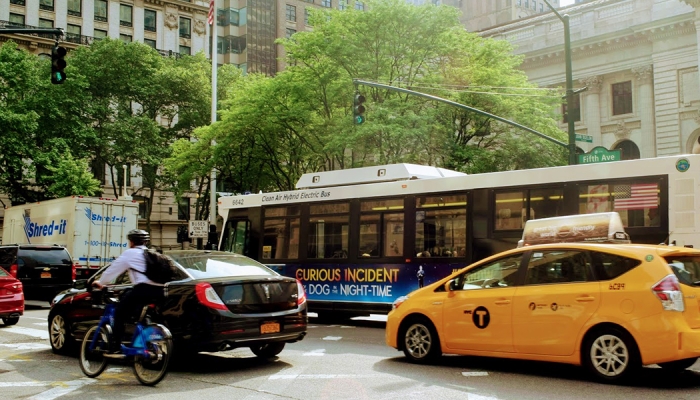
Getting around New York on July 4th requires a bit of foresight, because the city undergoes significant changes to both traffic flow and public transit. The subway remains the most efficient option and operates on a holiday schedule, but some stations near the fireworks areas — particularly along the East River — may temporarily close for crowd management. Buses are rerouted and slow in event areas, while the NYC Ferry continues to operate but with restricted access on its busiest routes.Citi Bike is widely used on this day — which means dock stations near popular viewpoints tend to run out of bikes quickly. Plan ahead, or consider walking, which is often the fastest option when crowds peak.
Road closures are extensive, particularly along major arteries like the FDR Drive and in areas around Brooklyn Bridge Park and South Street Seaport. The best strategy: plan your route in advance, build in extra time, and arrive early.
Weather and What to Expect
July is one of the hottest months in New York, and the Fourth is no exception. Temperatures can run high, and the humidity typical of the region adds to the heat, making extended time outdoors genuinely taxing — especially during the middle of the day.Come prepared: light clothing, sunscreen, and a water bottle are essentials. Taking breaks in the shade or in air-conditioned spaces will help you manage your energy for the evening ahead.
Weather is not a minor consideration — it's a central part of planning, especially if you intend to be outside for most of the day.
July 4th in New York: A Timeline from the 1950s to Today
To understand what July 4th in New York has become, it helps to see how the celebrations have evolved. From local neighborhood events to international spectacles, the city has transformed this anniversary into one of the most iconic occasions in the United States.1950s–70s: The Origins of the Modern Show
The turning point came in 1958, when Macy's staged the first major fireworks display on the Hudson River, introducing synchronized effects and a scale of visibility that the city had never seen before. This marked the beginning of a new era — a local event beginning its transformation into a citywide spectacle.In 1964, a serious accident during the fireworks prompted a thorough review of safety protocols, leading to more regulated and organized events going forward. But it was in 1976, for the United States Bicentennial, that New York made its most significant leap: Macy's partnered with the city to create a multi-location show spanning the East River, Ellis Island, and Liberty Island — expanding the event's scale for the first time.
1980s–2000s: Growth and Consolidation
In the years that followed, the celebrations continued to grow in both size and attendance. In 1983, the fireworks moved to the East River between 23rd and 42nd Streets, drawing over one million spectators and setting a new attendance record.In 1986, to mark the restoration of the Statue of Liberty, the city organized Liberty Weekend — a series of special celebrations that deepened the connection between history and spectacle. By 1994, the East River had become the official home of the fireworks, a strategic decision that improved visibility from both Manhattan and Brooklyn and helped establish the modern shape of the event.
2000s–2010s: The Media Era and the Global Show
With the new millennium, July 4th in New York entered an even broader dimension. In 2000, NBC acquired exclusive broadcast rights, making the show accessible to millions of viewers across the United States.In the years that followed, the event was enriched with artistic and musical collaborations. In 2013, for example, artist Usher curated the official soundtrack, blending patriotic anthems with contemporary music. In 2016, Macy's celebrated 40 years of its fireworks show with over 56,000 pyrotechnic effects launched from five barges — cementing its place as one of the largest events of its kind in the world.
2020s–Present: Innovation and New Horizons
The most recent years have brought new challenges — and new creative solutions. In 2020, with the pandemic forcing a complete rethink, the show was reimagined as a series of smaller displays across multiple neighborhoods, broadcast on television to avoid large gatherings.In 2021, the city gradually returned to the traditional format, with regulated access and enhanced safety measures. In the years since, the event has continued to evolve technologically.
In 2024, Macy's introduced for the first time drone choreography and 3D light formations near the Brooklyn Bridge — opening a new chapter in the show's visual storytelling.
In 2025, the 49th edition returned to the East River, featuring projected light shows on the bridge towers and internationally recognized musical performances — confirming New York's ability to keep reinventing one of America's most iconic events.
Over these decades, July 4th in New York has grown into a global event — one that brings together technology, spectacle, and collective participation into a single, extraordinary experience.
Frequently Asked Questions About July 4th in New York
Planning July 4th in New York raises a lot of questions — especially if it's your first time experiencing it. There's no shortage of information out there, but it's often scattered, and that can make it hard to get a clear picture. This section brings together the most common questions in one place, with direct answers to the things people actually want to know.Most questions come down to practicalities: cost, crowds, logistics, and access. Having clear, honest answers helps you make better decisions and plan your day with confidence.
Are the fireworks free?
Yes — the main show is free and visible from public areas across the city. That said, paid experiences like harbor cruises and rooftop events offer better views and added comfort for those who want them.Where can I watch the July 4th fireworks in New York?
Macy's 4th of July Fireworks take place along the East River or Hudson River (the exact location varies each year). The best viewing spots are the waterfronts of Manhattan, Brooklyn, and Queens. Official viewing areas are announced in June.What is America250 and what's happening in New York?
America250 marks the 250th anniversary of the United States, celebrated in 2026. New York will host extraordinary events including a major tall ships parade in the harbor, special aerial performances, a unique Times Square Ball Drop, and celebrations throughout the city — making this one of the most significant July 4ths in recent history.How do I get around New York on July 4th?
The subway is your best bet, but some stations may close. Expect rerouted buses and limited NYC Ferry access. Walking is often faster than any other option when crowds peak — plan accordingly.Where should I stay for July 4th in New York?
Manhattan and Brooklyn are the most convenient areas, especially neighborhoods with easy subway access. This matters most when you're trying to get home after the show ends.How long does the July 4th fireworks show last?
Approximately 25 minutes — but factor in the buildup, the crowd, and the atmosphere around it.Is New York very crowded on July 4th?
Yes — it's one of the busiest days of the year in the city. Planning ahead isn't optional; it's the difference between a great experience and a frustrating one.Experiencing July 4th in New York: Something Genuinely Unlike Anything Else
Experiencing July 4th in New York means connecting with a side of the city that goes well beyond ordinary tourism. It's not just about the events or the fireworks — it's about the atmosphere, the energy, and the feeling of being part of something collective. Even first-time visitors sense immediately that this day is different from any other.
However you choose to spend it, what matters most is your approach. With a little planning and genuine openness to the experience, July 4th can become one of the most memorable moments of your entire trip. It's one of those days when New York shows you its most authentic, most alive version of itself — and that impression lasts long after the last firework fades.
Traveling to New York? 3 Articles to learn how to get around the city
Read our Top-3 Articles to learn how to get around New York City using Public Transportation.

Categories: What to know
Categories: What to know
Categories: What to know
A New York Vacation in July - How to plan it
If you have special request, or would like to inquire about a Hotel for your stay in New York.