
ESTA USA guide: how to apply, requirements and travel rules
What is the Visa Waiver Program
Categories: What to know
ESTA: For selected countries only | Stay to 90 daysVALIDITY OF ESTA: valid for 2 years
Cost: $40 per person
WHERE: THE US GOVERNMENTAL SITE

If you are planning a trip to the United States, one of the first things to check is the documents required to enter the country.
European citizens who wish to travel to the U.S. can apply for the ESTA, an electronic travel authorization that allows entry into the United States for short stays without the need to obtain a traditional visa.
Every year, millions of travelers from Europe, Asia, and other parts of the world visit the United States thanks to the Visa Waiver Program, which simplifies entry procedures for tourism or short-term business travel.
Before departure, it is therefore essential to understand what ESTA is and how it works. In this complete guide, you will find verified and up-to-date information to help you understand how the Electronic System for Travel Authorization works, how to apply online, and what the requirements are to enter the United States without a visa.
How to enter the United States: ESTA and visa requirements
Before applying for travel authorization, it is important to understand exactly what it is and what role it plays in the U.S. entry procedures. ESTA is a key requirement for travelers entering the country without a visa, yet it is often misunderstood or confused with other documents. In this section, we explain how it works and why it is necessary to enter the United States under the Visa Waiver Program.
What is the Electronic System for Travel Authorization (ESTA)
The ESTA, which stands for Electronic System for Travel Authorization, is an electronic system designed to pre-screen travelers who intend to enter the United States without a visa.
Introduced in 2009 as part of U.S. government security measures, ESTA is specifically a digital travel authorization linked to the traveler’s passport. Before boarding a flight or ship bound for the United States, citizens of participating countries must obtain this authorization.
The application can be completed quickly and easily online. Once submitted, the applicant’s data is reviewed by the Department of Homeland Security (DHS), the federal agency responsible for U.S. internal security. During the process, several details are collected, including personal information, passport data, and basic travel details.
In most cases, approval is granted quickly, although in some situations additional checks may be required, which can extend the processing time by several hours.
This procedure allows U.S. authorities to evaluate travelers in advance, increasing the level of security at border controls.
It is important to note that ESTA is not a visa and does not replace standard entry procedures at U.S. borders. As mentioned, it is a pre-screening system, meaning that it is a preliminary authorization required before departure.
One of the main advantages for travelers is the speed and convenience of the process. Unlike a traditional visa, obtaining ESTA does not require visiting an embassy or consulate, nor attending an in-person interview. The entire application can be completed online in just a few minutes, making it much easier to organize a trip to the United States, whether for leisure or short-term business purposes.
The Visa Waiver Program: entering the United States without a visa
The electronic travel authorization is an integral part of the Visa Waiver Program (VWP), which allows citizens of participating countries to travel to the United States without applying for a traditional visa.
This international agreement was created to facilitate travel between the United States and partner countries, promoting tourism, cultural exchange, and economic relations. Current VWP members include Italy, the United Kingdom, Japan, South Korea, Australia, and most European Union countries.
The program is managed by the U.S. government and requires participating countries to meet specific security and international cooperation standards.
Who needs to apply for ESTA to enter the United States
All citizens of countries participating in the Visa Waiver Program must apply for ESTA before traveling to the United States.
This requirement applies to all travelers, regardless of age: even children and infants must have their own individual authorization linked to their personal passport. Each application is personal and cannot be shared between multiple travelers.
Before departure, it is important to understand that without an approved ESTA authorization, it is not possible to board a flight to the United States. Airlines verify ESTA approval before allowing passengers to board.
For this reason, it is always recommended to submit the application well in advance of your departure date.
Requirements to enter the United States with ESTA
Entering the United States without a visa requires more than just obtaining travel authorization. It is essential to meet a number of specific requirements related to documentation, length of stay, and entry conditions.
Many travelers focus only on submitting the online application, but it is equally important to ensure that all eligibility requirements are met. Even seemingly minor details, such as passport validity or the information provided during travel, can affect your ability to enter the United States.
In this section, we explain the main requirements you should be aware of before departure, so you can plan your trip correctly and avoid unexpected issues.
Passport and documents required to travel to the United States
To enter the United States under the Visa Waiver Program, you must hold a valid biometric (electronic) passport.
An electronic passport contains an RFID microchip that stores the holder’s biometric data and provides a higher level of security compared to traditional documents.
Your passport must be valid for the entire duration of your stay in the United States. Some countries require at least six months of remaining validity, while for others the United States applies slightly different rules based on specific international agreements. For this reason, it is always advisable to check the official government website before traveling.
In addition to your passport and ESTA authorization, upon arrival in the United States, officers from Customs and Border Protection (CBP) may ask for additional travel-related information, such as:
- the address of your first accommodation in the United States;
- the expected length of your stay;
- the purpose of your trip;
- a return or onward ticket.
These checks are part of standard entry procedures and are used to verify that your trip complies with the conditions of the Visa Waiver Program.

How long can you stay in the United States with the Visa Waiver Program
One of the most important aspects to understand when traveling under the Visa Waiver Program is the maximum length of stay allowed in the United States.
The Visa Waiver Program allows travelers to stay in the country for up to 90 consecutive days. This limit applies to both tourism and short-term business travel.
During this period, you are free to travel across the United States, move between states, and organize even extended USA travel itineraries.
It is important to remember that the 90-day limit cannot be extended. Once you enter the United States under the Visa Waiver Program, you cannot apply for an extension of your stay.
Additionally, the authorization does not allow you to:
- work permanently in the United States;
- enroll in long-term study programs;
- relocate permanently to the country.
If your trip requires a longer stay or has different purposes, you will need to apply for a specific visa through a U.S. embassy or consulate.
The length of stay is not determined solely by ESTA approval but also by the inspection carried out at the border. In most cases, if your trip meets the Visa Waiver Program conditions, you will be granted the full 90-day period. To avoid any issues upon arrival, it is always recommended to be well informed and comply strictly with all program rules.
Overstaying your authorized period in the United States can have serious consequences. Travelers who do not respect this rule may face difficulties obtaining future travel authorization or visas.
For this reason, it is essential to plan your trip carefully and make sure to leave the country before your authorized stay expires.
How to apply for ESTA : step-by-step guide
Applying for ESTA travel authorization is a relatively simple process, but it is important to follow each step carefully and provide accurate information.
The application must be submitted through the official channels provided by the U.S. government. The system is available in multiple languages and guides users through each stage of the process.
Although the procedure is generally quick, it is advisable to take the time to complete the application carefully in order to avoid mistakes that could delay approval or require submitting a new request. Below is a step-by-step overview of how to apply.
Where to apply for ESTA online
The application must be completed and submitted exclusively through the official U.S. government website. There are many private websites offering assistance with the application, but they often charge high additional fees and do not always guarantee adequate security standards.
Within the official platform, you can choose from several options, including:
- starting a new individual application;
- submitting an application for a group of travelers;
- completing a previously started application;
- checking the status of an existing application.
During the process, you will also be required to accept certain terms and declarations regarding the accuracy of the information provided.
For more information, visit the official U.S. Customs and Border Protection website.
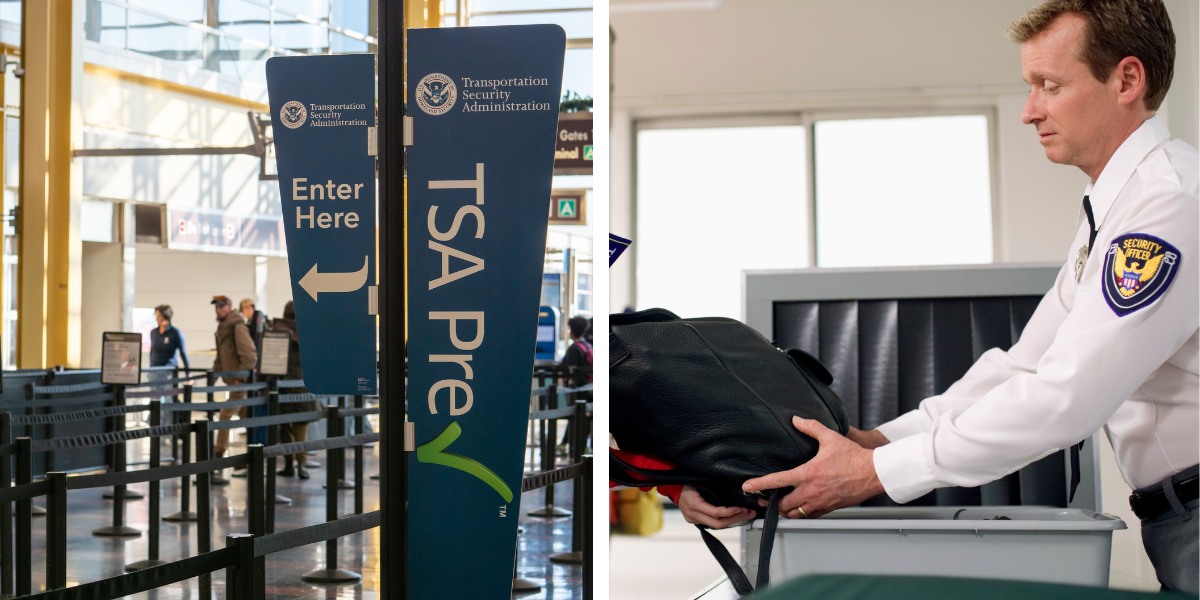
How to complete the ESTA application form
Once you begin the application process, the system will guide you through several sections where you will need to provide personal information and travel details.
The process usually takes only a few minutes, but it is important to have your passport and key travel information readily available.
The required details include:
- traveler’s personal information;
- passport number and passport details;
- home address and contact information;
- employment details;
- emergency contact information;
- address of your stay in the United States (if available).
In addition to personal data, the system requires you to answer a series of security questions related to health conditions, criminal history, and any previous violations of U.S. immigration laws. These questions are part of standard screening procedures implemented by U.S. authorities.
It is extremely important to provide accurate and truthful answers, as any inconsistencies may result in a denied application or issues upon entry into the United States. Once the form is completed, you will be able to review all the information before proceeding with payment and final submission.
Looking ahead, ESTA procedures may continue to evolve. Starting from 2026, stricter controls are expected, with greater attention to the information provided during the application phase. Possible updates may include additional data requirements, such as disclosure of social media profiles used in recent years and more detailed information about family members.
At present, these are only potential developments, but they indicate a trend toward more advanced screening procedures in terms of security and international travel control.
How to check your ESTA status and correct errors
After submitting your application, you can check its status directly on the official website.
The system may return three different results:
- authorization approved;
- authorization pending;
- travel not authorized.
In most cases, a response is provided within minutes or, at most, a few hours. However, U.S. authorities recommend submitting your application at least 72 hours before departure to avoid last-minute issues.
If your application has been saved but not completed, you can log back into the system and resume the application using your application number and passport details. This is particularly useful if you started the process but were unable to complete it at the time.
If there are errors in your application, some information—such as your accommodation address—can be updated later by accessing your request online. However, if the error concerns critical information such as passport number, name, or date of birth, in most cases you will need to submit a new application.
How much does ESTA cost
One of the most common questions among travelers applying for ESTA concerns the cost of the application. ESTA requires the payment of a fee established by the U.S. government.
The current official fee is $40 per person (approximately €38). Payment must be completed online at the end of the application process.
Payment can be made using various methods, including credit cards and other electronic payment systems accepted by the platform. Once the payment is completed and the application is submitted, the system will begin processing your request.
It is important to keep your application reference number, as it will be needed to check your application status or retrieve your information in the future.
ESTA validity and processing times
One of the most frequently asked questions among travelers planning a trip to the United States concerns the validity of the travel authorization and the processing time.
Understanding these aspects is essential to avoid issues before departure and to plan future trips more effectively.
ESTA validity and multiple entries
Once approved, ESTA authorization is generally valid for two years.
During this period, you can travel to the United States multiple times without submitting a new application, provided that each stay does not exceed the 90-day limit established by the Visa Waiver Program.
This is particularly beneficial for frequent travelers or for those who plan to visit the United States multiple times within a two-year period. However, it is important to remember that the Visa Waiver Program is not intended for extended or repeated long stays. If you enter the United States frequently or remain for long periods, immigration officers may request additional clarification regarding the purpose of your visits.
In such cases, it is important to demonstrate that your stay is temporary and that your primary residence remains in your home country.
As mentioned earlier, ESTA authorization is directly linked to the passport used during the application. This is a key point: if your passport expires or is replaced, you will need to submit a new ESTA application, even if the original authorization has not yet reached its expiration date.
When to apply for ESTA before your trip
Many travelers wonder when the best time to apply for ESTA is.
U.S. authorities recommend submitting your application at least 72 hours before departure. This is the minimum recommended timeframe for processing, although approval is often granted much faster.
The safest approach is to apply for ESTA as soon as you begin planning your trip to the United States. Many travelers choose to submit their application immediately after purchasing their flight tickets or confirming travel dates, ensuring that all documentation is ready well in advance.
Another advantage of applying early is that, in case of issues or a denied application, you will have enough time to begin the process of applying for a traditional visa.
When ESTA is not enough: visa requirements
Although the Visa Waiver Program makes it much easier to visit the United States, there are situations in which ESTA authorization alone is not sufficient to enter the country.
In these cases, it is necessary to apply for a traditional U.S. visa through an embassy or consulate. One of the most common scenarios involves travelers planning to stay longer than the maximum allowed period of 90 days.
Another situation concerns travelers who do not meet the requirements of the program. For example, some individuals may not be eligible for the Visa Waiver Program due to previous immigration violations or other security-related reasons.
Additionally, U.S. regulations include restrictions for travelers who have visited certain countries in recent years. In such cases, it may be necessary to apply for a traditional visa even if you hold a passport from a Visa Waiver Program country.
For this reason, it is always advisable to carefully review your eligibility before planning your trip.
What is the difference between ESTA and a U.S. visa
Many first-time travelers confuse ESTA authorization with a U.S. visa. In reality, they are two completely different instruments: ESTA is a pre-screening system that allows citizens of Visa Waiver Program countries to travel to the United States without applying for a traditional visa, while a visa is an official document issued by U.S. consular authorities after a more complex procedure that may include detailed forms, higher fees, and often an in-person interview at an embassy or consulate.
In general, a visa is required when the trip involves a longer stay or purposes other than tourism or short-term business.
For example, there are specific visas for:
- study programs;
- temporary (long-term) or permanent employment;
- cultural exchange programs;
- corporate transfers.
The process of obtaining a visa can take longer than applying for ESTA, so it is always recommended to plan well in advance if you believe you may need one.
What happens if your ESTA is denied
In most cases, ESTA applications are approved without difficulty. However, it is possible for a request to be denied or not authorized. When this happens, the system returns the message “travel not authorized.”
It is important to understand that a denial does not automatically mean you cannot enter the United States. It simply means that you cannot travel under the Visa Waiver Program.
Most common reasons for ESTA denial
There are several reasons why an ESTA application may be denied. The most common include:
- errors or inconsistencies in the information provided;
- previous violations of U.S. immigration laws;
- past overstays beyond the permitted period;
- unclear or problematic answers to security questions.
In some cases, a denial may simply be due to a mistake in the application, such as entering an incorrect passport number. For this reason, it is always important to carefully review all information before submitting your request.
How to apply for a visa after an ESTA denial
If your ESTA application is denied, the next step is usually to apply for a traditional U.S. visa. This process includes completing the DS-160 online form and scheduling an appointment at a U.S. embassy or consulate.
During the consular interview, your travel purpose and personal circumstances will be evaluated. Although the process is more complex than ESTA, many travelers are still able to obtain a visa and travel to the United States successfully. For this reason, it is important not to be discouraged if your ESTA application is denied.
Travel tips before going to the United States
Before traveling to the United States, it is always advisable to carry out a final check to ensure that all documentation is in order and to plan your trip carefully in advance.
In addition to your passport and travel authorization, it is recommended to verify other important aspects of your trip. For example, you should always check:
- passport validity;
- confirmation of ESTA approval;
- flight booking details;
- address of your accommodation in the United States.
It can also be helpful to store a digital copy of your key documents on your smartphone, so they are easily accessible if needed. Many travelers also choose to purchase travel health insurance, as healthcare in the United States can be very expensive in case of emergencies.
In some cases, travelers may be required to provide fingerprints or have a photo taken as part of standard border control procedures. Another useful tip is to complete your customs declaration form accurately, which is often handled digitally during entry procedures. This form is used to declare any goods brought into the country and is part of standard U.S. customs procedures.
Upon arrival in the United States, it is always advisable to keep your travel documents readily available, as immigration officers may request them and may also ask additional questions about your trip and stay. These are routine checks designed to ensure border security and verify that your travel complies with the Visa Waiver Program conditions.
Before departure, it is always recommended to consult official and up-to-date information on government websites related to travel authorization.
Carefully preparing your travel documents is the first step toward enjoying a trip to the United States without stress or unexpected issues. Once your authorization has been approved, all that’s left to do is pack your bags and get ready to explore the United States.
DISCLAIMER: All information, content, and materials available on this page are provided for general informational purposes only and do not constitute legal advice. Please note that the information provided may not always be up to date. This page may contain links to third-party websites. These links are provided solely for the convenience of the reader and user.


Categories: What to know

Categories: What to know

Categories: What to see - Itineraries

Categories: What to know
Categories: What to know

Categories: What to know
ALL TOURS & ACTIVITIES
- Private Walking Tours™
- Private Bespoke Experiences™
- NYC Vacation Packages™
- Corporate & VIP™
- Escorted Coach Tours
- Cruises & Helicopters
- Museum Tickets + NYC Passes
- Broadway Shows
- NYC by Night: Cruises & Activities
- NYC by Holidays: Cruises & Activities
- Restaurants
- Day Trips & Extended Tours
- Guided City Tours
- Bike Tours







.jpg)




 be free!




Unforgettable holiday in New York, fantastic tour operator Irene, who introduced us to the city in all its beauty by telling us the story and describing passionately the life of the place. [...] Irene, I was able to see a Yankees tie as a fan, a dream of mine in the drawer..thanks for your help. Top. Thanks.
From TripAdvisor - May 2025

During my recent trip to New York, I had the pleasure of meeting Irene who accompanied us on a tour of the city, and the experience was unforgettable. From the first moment, she was welcoming, knowledgeable and incredibly passionate [...]
From Google - Feb 2025
We relied on them to organize a group tour in New York. Professional, precise, helpful, friendly. We can only thank Mr. Tony, who followed us impeccably in the planning, and his daughter Irene, an extraordinary guide, who showed us New York in a way that we will not forget. [...]
From Google - November 2024

I am the owner of a Travel Agency. We are Italian in Erba, Eolo travel, I brought a small group and I entrusted myself to Tony. We received great service from start to finish. Punctuality and excellent guides.Thank you for the wonderful experience!!!
From Google - May 2024

Irene? as I have already said elsewhere, she truly deserves all the compliments that are paid to her. Available, friendly, prepared, in short, if you need an Italian speaking guide in New York, she is the right person. You deserve 5 stars and more!
From TripAdvisor - April 2024

An extraordinary experience: I had the pleasure of having Irene as my guide for two days and thanks to the passion she puts into guiding you through the streets of NYC, the anecdotes, the trivia she lets you discover, and the facets she shows during the tour you can't help but fall even more in love with this wonderful city.
From Google - February 2024

Excellent guide, excellent organisation, Irene always ready to respond, available in every topic with competence, you can feel the passion for her work. Her voice accompanied our tour, we will miss you!
From Google - January 2024

[...] unique, very professional, courteous, friendly we can only write positive adjectives, you made us feel at home and have the desire to return. Super recommended. Erica, Marco, Annalisa and Giuseppe.
From Google - December 2023

We did 2 tours together with our guide Irene in one day, Hoboken and the East side. What can I say, in addition to the wonderful places, she has made everything more magical [...]
From Google - January 2023

Irene was a FANTASTIC tour guide! She was so knowledgeable about the area and was so patient with all our questions. We stopped to use the bathroom and we got coffee halfway through, she was so kind! It was a pleasure learning about Brooklyn from you!
From TripAdvisor - April 2022

I’m the biggest fan of Fall activities, but haven’t had a chance to do anything beyond Apple Picking in NJ. I decided to take a last minute 2 day trip with a friend in Hudson Valley, but didn’t know where to start [...] Thankfully I was able to use New York Welcome to do the hard work for us [...]
From TripAdvisor - October 2021
Information about New York
- New York City Travel Guide
- How Much Does New York Cost?
- Best Rooftop Bars in NYC 2025: Where to Drink with a View in New York
- Time Zone and Jet Leg
- Accommodations: Choose Where to Stay
- New York City Public Transportation
- Weather: Fall in New York
- Weather: Winter in New York
- Weather: Spring in New York
- Weather: Summer in New York
- 101+ Excursions in New York City
- Grand Central Terminal
- Covid-19 Updates
Sightseeing & City Tours in NYC
Day Trips from NYC
- Niagara Falls Day Trip by Airplane™
- Washington DC - Visit the Capital
- Niagara Falls & Toronto & 1000-Islands
- American Triangle: 5-Day Excursion
- American Getaway: 4-Day Excursion
- Discover Boston in 1 Day
- 1-Day: The Hamptons & The Beaches
- How to Visit Niagara Falls From NYC
- NYC & Orlando Travel Package™
- NYC & Chicago Travel Package™
- Pre- or Post-Cruise Escapes™
CORPORATE & VIP SERVICES
Our Destinations in The US
Our Company
We are social



 Join our community of over 350K Followers!
Office

 Loading...