





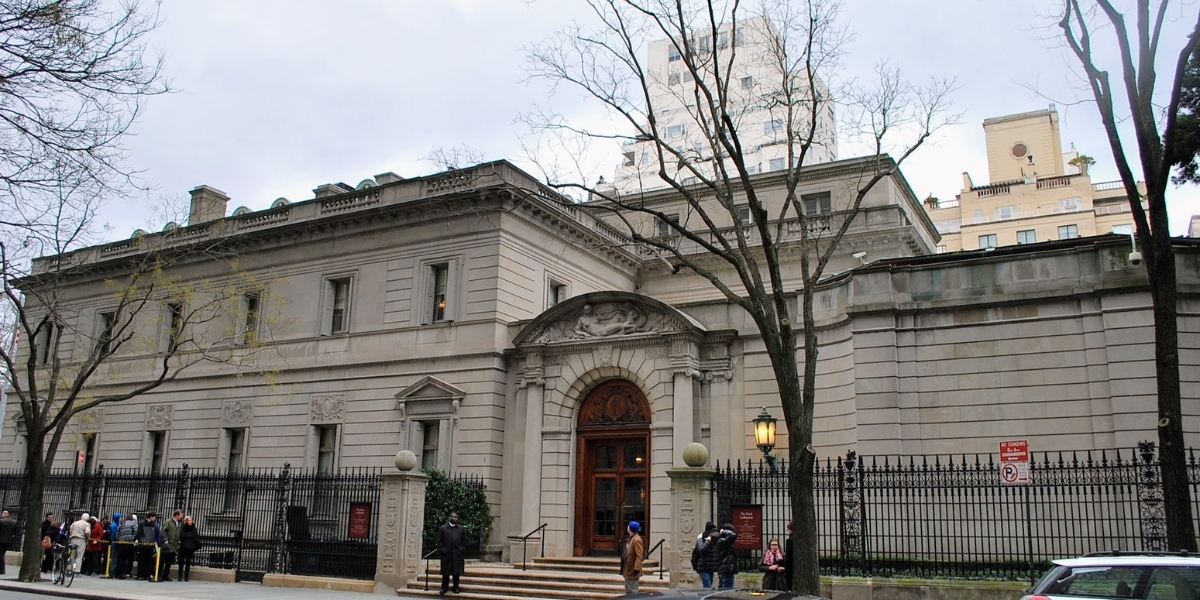

The elegant Frick Collection stands out for both the exceptional quality of its artworks and the unique architectural setting in which they are displayed. Located on Fifth Avenue at East 70th Street in the Upper East Side, the museum is housed in the former private residence of Henry Clay Frick, one of the most influential American industrialists and art collectors of the late 19th and early 20th centuries.
Unlike New York’s larger institutions, the Frick intentionally preserves an intimate scale: masterpieces are displayed throughout the rooms of the historic mansion, keeping the atmosphere of an aristocratic home with smaller galleries and period furnishings.
That domestic character makes the visit feel different from more famous museums. It’s worth including the Frick in a well-planned New York museum itinerary—either alongside major collections or as part of a deeper exploration of the Upper East Side.
History of the Frick Collection and the museum’s origins
Henry Clay Frick built his residence between 1913 and 1914, facing Central Park. When he died in 1919, he left both the mansion and his art collection to the State of New York, with a clear instruction: the house should become a public museum.
The Frick Collection officially opened in 1935 and has maintained a remarkably consistent curatorial approach ever since: a relatively small number of works, all of the highest caliber, displayed in rooms that respect the original domestic layout. This is one of the key reasons the Frick feels so distinct among New York City museums.
After a major restoration and modernization project, the museum reopened in its historic home in 2025, returning visitors to an experience aligned with the collector’s original vision.
The permanent collection: European masterpieces from the Renaissance to the 19th century
The Frick Collection focuses primarily on European art from the 14th to the 19th century, with an emphasis on painting, sculpture, and decorative arts. While not large in number, it is widely regarded as one of the most refined collections in the United States.
Highlights include works by Giovanni Bellini, Hans Holbein the Younger, Rembrandt, Johannes Vermeer, Diego Velázquez, Francisco Goya, Jean-Honoré Fragonard, and J.M.W. Turner. Some core groups are especially famous, such as Fragonard’s series The Progress of Love (shown in dedicated rooms) and the museum’s two Vermeers—among the most beloved works in the collection.
Also unmissable are Bellini’s St. Francis in the Desert (a masterpiece of the Venetian Renaissance), Rembrandt’s powerful self-portrait from 1658, and Holbein’s portrait of Sir Thomas More. Importantly, the layout is never overcrowded: visitors can view paintings at close range, often without visual barriers—one of the Frick’s defining qualities compared to other busy NYC museums.
The interior courtyard and the pace of the visit
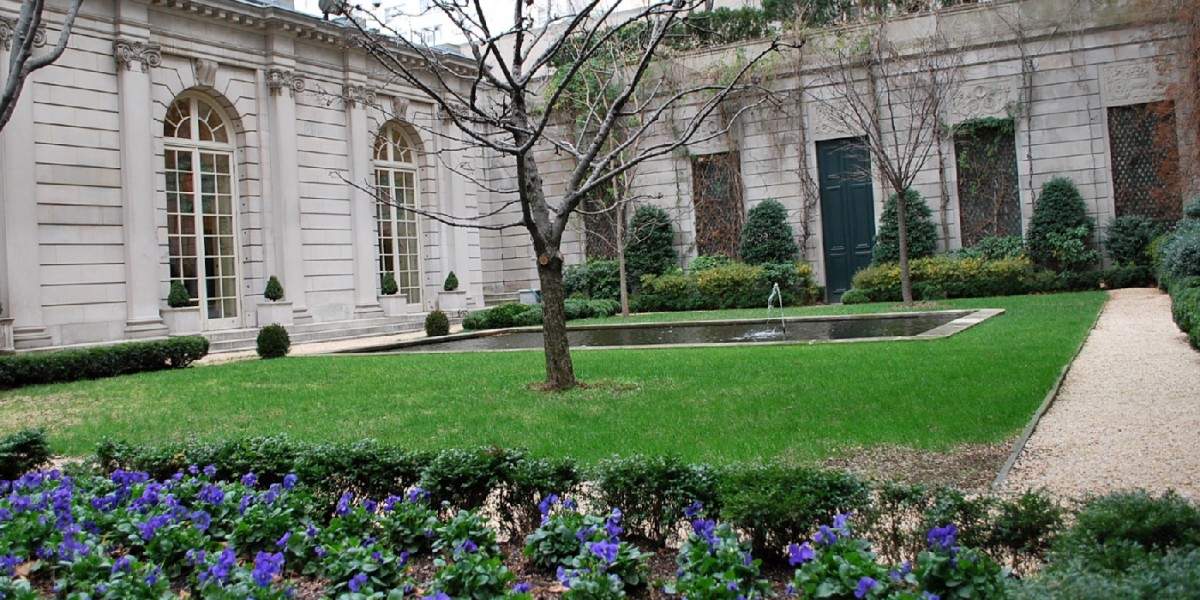
One of the Frick’s most distinctive architectural features is the interior courtyard, visible from multiple rooms. This open space brings natural light into the galleries and creates visual “breathing moments” between artworks, supporting a calm, enjoyable rhythm.
The combination of domestic rooms, world-class masterpieces, and quiet spaces makes the Frick Collection especially appealing to travelers looking for a focused cultural experience away from the city’s usual museum crowds.
Temporary exhibitions: carefully curated projects
In addition to the permanent collection, the Frick hosts regular temporary exhibitions. These are typically tightly focused shows—dedicated to a single artist, a specific theme, or a dialogue between Frick works and international loans.
Because these exhibitions often run for a limited time, it’s strongly recommended to check the current calendar on the official website before your trip, or ask your tour operator to confirm what will be on view during your stay.
Visitor essentials: opening hours and closing days
Following the recent reopening in the historic mansion, the Frick Collection observes the following schedule:
- Monday, Wednesday, Thursday, Saturday, Sunday: 10:30 am – 5:30 pm
- Friday: 10:30 am – 8:30 pm
- Tuesday: closed
The museum is also closed on major holidays, so it’s always best to double-check hours before visiting.
Tickets and entry details
Admission to the Frick Collection is priced as follows:
- Adults: $30
- Seniors (65+): $22
- Students: $17
- Visitors with disabilities: $22
- Junior (ages 10–18): free admission
Important: the Frick allows entry only from age 10 and up, so it’s not ideal for families with younger children.
On Wednesday afternoons (1:30 pm – 5:30 pm), a limited pay-what-you-wish option is available with online reservation, subject to capacity. In general, walk-in entry is not guaranteed, so booking a timed ticket remains the safest approach.
Visitor rules and helpful services
Photography is not permitted inside the galleries. Large bags are not allowed in exhibition rooms and must be checked; only small bags are permitted.
For visitors who want context without joining a guided tour, the Frick offers a free digital guide via the Bloomberg Connects app, featuring audio content focused on key works.
On-site, you’ll also find the Westmoreland café, open during museum hours. Its menu of cocktails and pastries is inspired by the art on view. A fun detail: the venue’s name comes from a private railcar purchased by Henry Clay Frick in 1910, named after his Pennsylvania county of origin.
How to get to the Frick Collection
The Frick Collection is located at 1 East 70th Street in the Upper East Side. It’s easy to reach via public transportation:
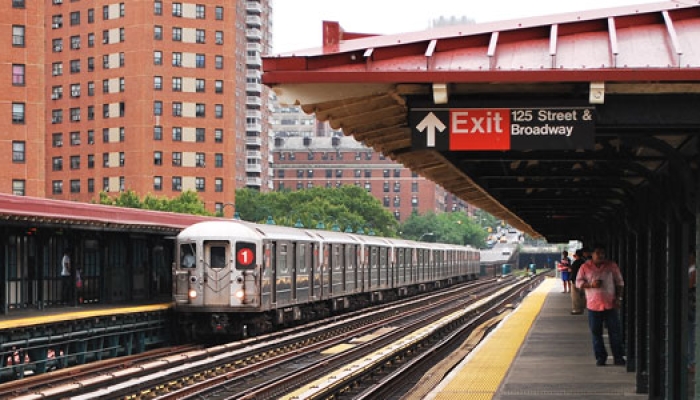
- Subway: 6 train (68th Street–Hunter College)
- Subway: Q train (72nd Street)
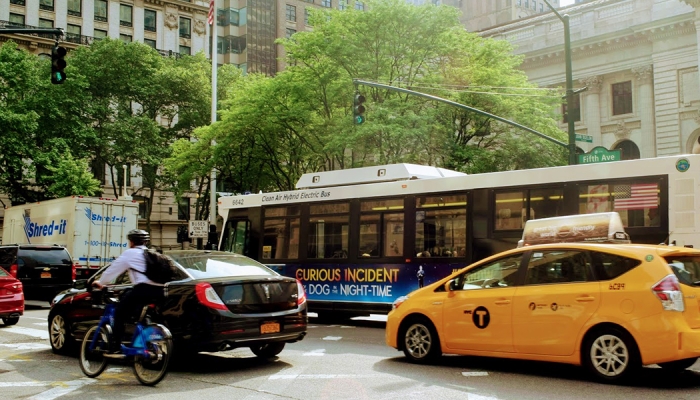
- Buses: M1, M2, M3, M4 along Fifth Avenue
Thanks to its location, the Frick fits neatly into a broader Fifth Avenue and Museum Mile day, between Central Park and nearby landmarks. For those who want to go deeper, the nearby Frick Art Reference Library can also be visited free of charge with online registration.
Including the Frick Collection in an organized New York tour
The Frick Collection works beautifully within a day dedicated to New York museums, especially as a quieter stop between larger institutions. A typical visit takes about 90 minutes (up to two hours), enough to appreciate the highlights without feeling rushed.
If you want to optimize time and logistics—especially on a first trip to NYC—consider visiting as part of an organized New York tour. That said, with a timed ticket and a solid plan, the Frick is also easy to enjoy independently.
.jpg)













.jpg)























 Loading...