
The Flatiron Building: History, Architecture & How to Visit
From its impossible construction in 1902 to its transformation into luxury residences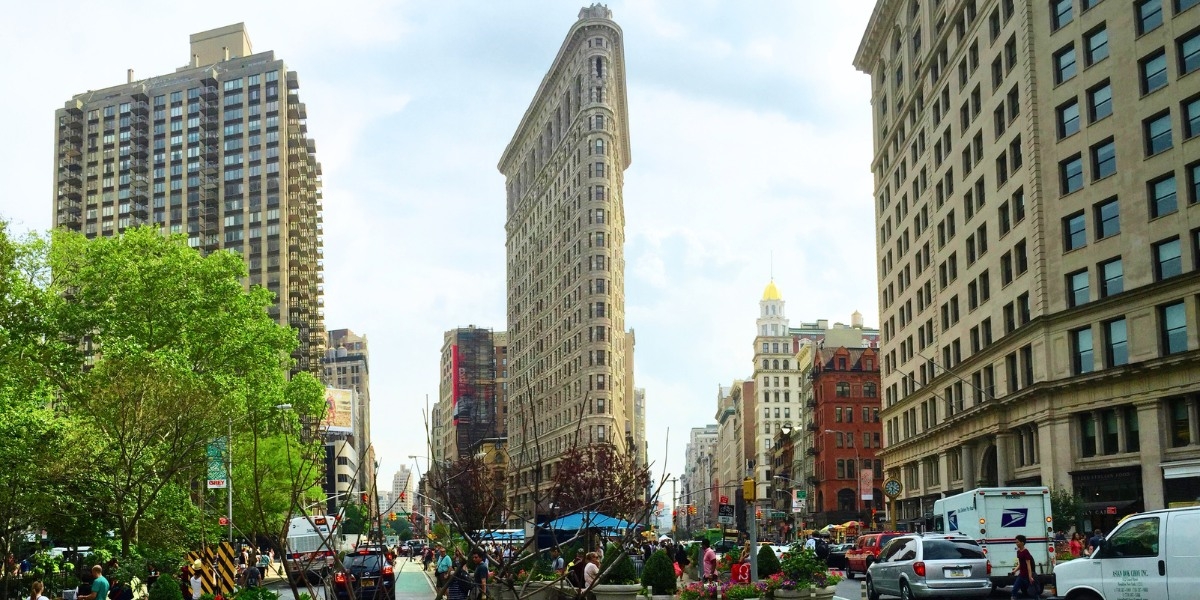
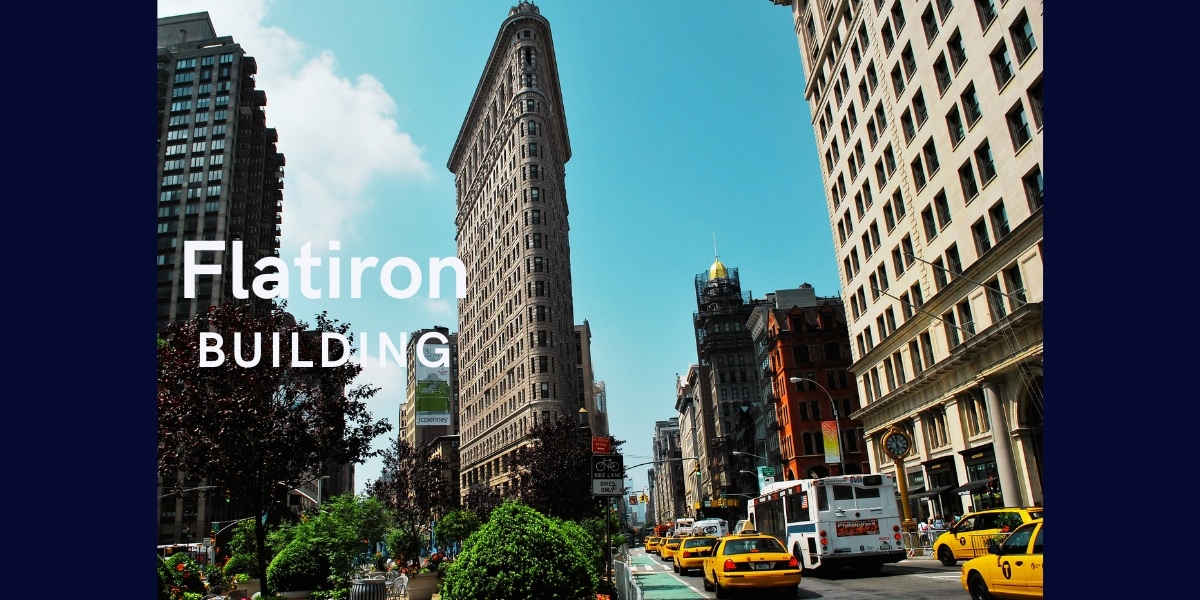

“Some buildings simply exist in a city. The Flatiron feels like it arrived first — and the city grew up around it.”
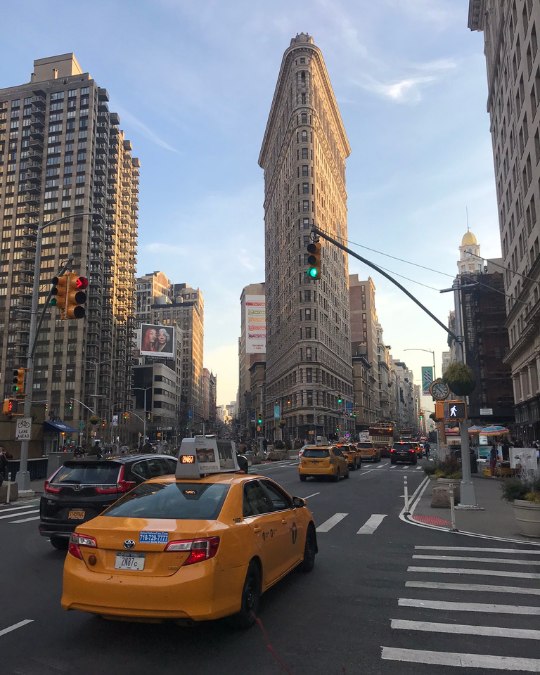
It has stood at the corner of Fifth Avenue and Broadway since 1902, yet every first-time visitor experiences the same quiet jolt of surprise. Maybe it's the shape — that stone prow cutting through the intersection as if the city cleared the way out of respect. Maybe it's the scale, which still defies the logic of the lot it sits on. Or maybe the Flatiron Building is simply one of those rare structures you can never quite finish looking at.
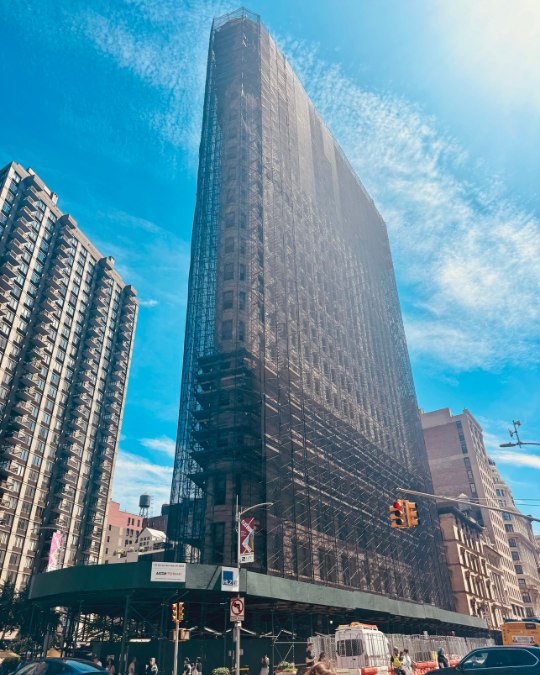
Today, after years of scaffolding, legal disputes, and a change of ownership worthy of a thriller novel, the Flatiron is undergoing its most significant transformation since it was built: from commercial office space to luxury residences in the heart of Manhattan. The scaffolding is coming down in stages, and the restored facade is emerging again — section by section. And for the first time in its history, the building is being illuminated at night, its terracotta crown catching the light after more than a century in the dark.
This is the story of the Flatiron Building — and a practical guide for visitors who want to experience it, not just photograph it.
An Impossible Building, Started in 1901
To understand why the Flatiron Building is extraordinary, you have to start with the problem it had to solve.
In the late 1800s, the triangular lot at the intersection of Fifth Avenue, Broadway, and 23rd Street was considered nearly impossible to develop profitably. Broadway and Fifth Avenue cross at an acute angle at that point — a geometric accident left over from Manhattan's old topography, where Broadway followed the path of a Lenape trail instead of the orderly grid imposed in 1811. The result was a wedge of land so narrow at its northern tip that building on it seemed more trouble than it was worth.
Harry Black, president of the Fuller Company — America's first true general contracting firm — disagreed. He purchased the lot in 1901 and commissioned Chicago architect Daniel H. Burnham to design the building. Burnham was already a legendary figure: he had led the design of the 1893 World's Columbian Exposition in Chicago, an event that transformed American architecture and urban planning. He was the right man for an impossible brief.
Burnham's solution was to treat the triangular shape not as a limitation but as the premise of the whole project. The building would embrace every inch of the lot — no setbacks, no apologies. The strange form would not be hidden; it would become the reason to look.
Construction began in the summer of 1901 at a pace that still impresses: one floor per week. The steel skeleton — more than 3,500 tons of metal — was complete by February 1902. By May, glazed terracotta was already being installed on the upper floors. On October 1, 1902, the Fuller Building — its official name — opened its doors.
New Yorkers, however, had already renamed it. The pointed shape reminded them of a clothes iron — a flatiron. The informal name outlasted every press release, and eventually became the only name anyone used.
"Burnham's Folly" — And Why They Were Wrong
The opening was not met with universal enthusiasm.
The newspapers of the time were fixated on the wind vortices that the triangular building created at the corner of Fifth Avenue and 23rd Street. The gusts — amplified by the building's shape — were strong enough to lift women's skirts, attracting crowds of onlookers who were sent on their way by police officers shouting "23 skidoo" — a phrase that entered the popular lexicon of the era. Architecture critics were harsher still. Many argued that the combination of triangular form and height was structurally unsound. They called it "Burnham's Folly."
They were wrong on every count.
The building's structural engineering was both solid and innovative. Its steel skeleton with stone and terracotta cladding — the same principle behind modern curtain wall construction — distributed loads far more efficiently than any traditional masonry building of the era. The Flatiron not only withstood the wind but survived more than 120 New York winters without incident.
The very photographers sent to document its ugliness were captivated by it. Edward Steichen photographed the Flatiron in 1904 shrouded in fog, creating an image that felt almost dreamlike. Alfred Stieglitz returned to it repeatedly, seeing in its form a perfect symbol of the modern city. Impressionist painter Childe Hassam worked it into his urban landscapes. Within a few years, the Flatiron Building had become the most photographed, painted, and illustrated structure in New York — long before anyone had a phone in their pocket.
The Architecture: What to Actually Look For
The Flatiron Building is a work of Beaux-Arts classicism, applied with the pragmatic logic of the Chicago School.
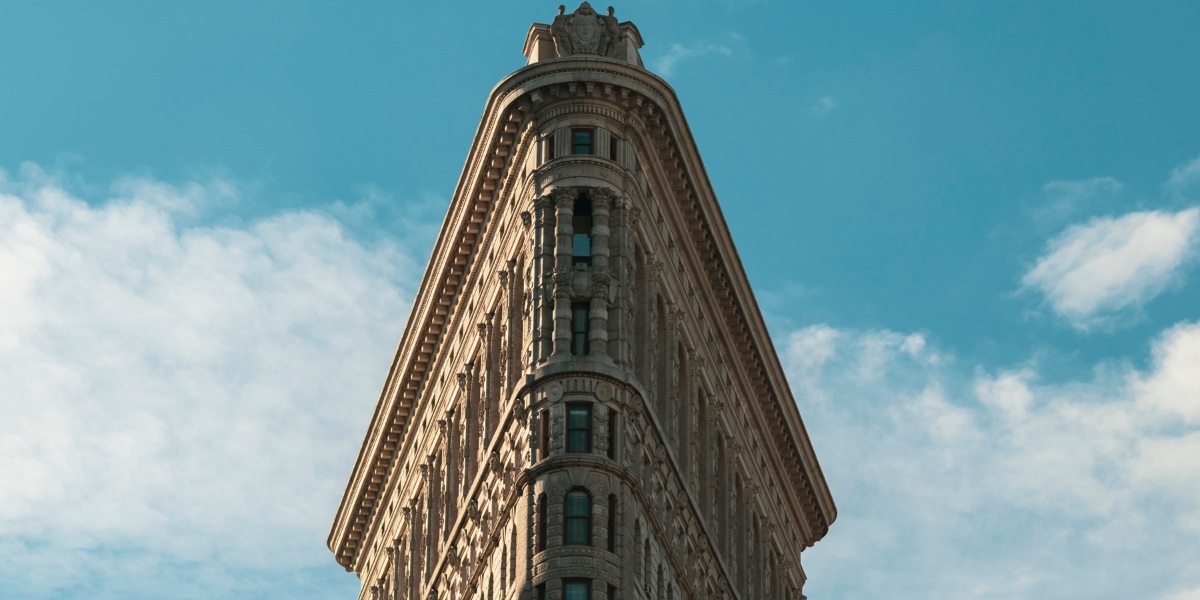
The facade is structured like a classical Greek column, divided into three horizontal zones: a robust base of light limestone at the lower floors; a shaft rising through the middle stories, clad in increasingly elaborate glazed terracotta; and a capital — the upper floors — crowned by a cornice nearly two feet deep that closes the composition with a lavishness typical of the era's taste. The surfaces are dense with ornament: medallions, garlands, decorative panels, arched windows, rustication, moldings. Burnham wanted the building to feel like a vertical Renaissance palace — and in certain light, from certain angles, he succeeded.
| Address 175 Fifth Avenue |
Completed 1902 |
Architect Daniel H. Burnham |
| Height 87 metri — 22 piani. |
Style Beaux-Arts / Scuola di Chicago |
Landmark Status NYC (1966) — National (1989) |
But it's the triangular floor plan that's truly extraordinary. Seen from above, the structure traces an acute triangle — and at its northern tip, at the corner of 23rd Street, the building is just six feet wide. Six feet. The corner office on that point was so narrow it was nearly unusable — early tenants described the interior as "a maze of oddly shaped rooms." Burnham hadn't included women's restrooms in the original design. The original hydraulic elevators were famously slow, unreliable, and prone to flooding the hallways.
None of it seemed to matter. The Flatiron Building was, from its very first week, unlike anything else in the city. In 1966 it was designated a New York City Landmark. In 1979 it was added to the National Register of Historic Places. In 1989 it received the status of National Historic Landmark — the highest level of protection afforded to an American building.
FLATIRON BUILDING NEW YORK
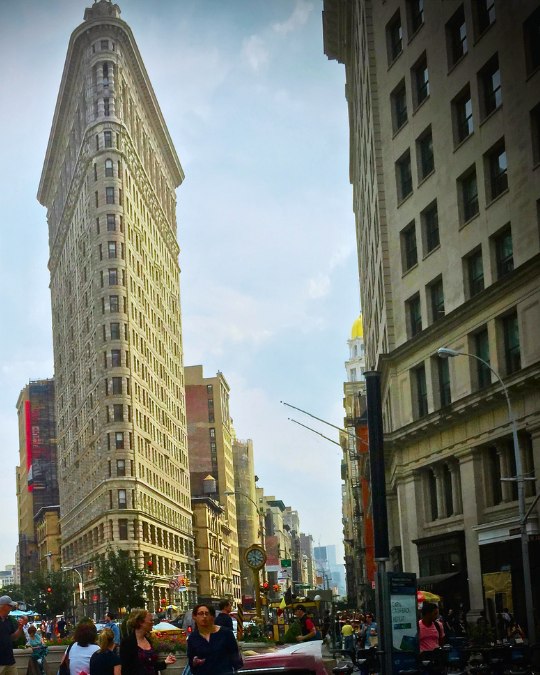
The Flatiron Today: A Historic Reinvention
For many years, the Flatiron Building's future was uncertain.
Its primary tenant, publisher Macmillan, vacated in 2019 after 15 years. The pandemic collapsed the Manhattan office market, and plans for a new commercial tenant became unrealistic. What followed was a drawn-out ownership dispute that culminated in an auction in March 2023 — followed by one of the stranger episodes in New York real estate history: the winning bidder, a previously unknown figure named Jacob Garlick, simply disappeared after the auction without posting his $19 million deposit. A second auction two months later awarded the building to a group led by Jeffrey Gural of GFP Real Estate for $161 million.
The direction since then has been clear: the Flatiron Building is going residential.
The Brodsky Organization — one of New York's most respected real estate families, with over 80 years in the city — joined the project alongside the Sorgente Group to lead a transformation that would preserve the building's soul while giving its spaces new life. The 22 floors of empty offices are becoming 38 luxury residences, designed by AD100 designer William Sofield of Studio Sofield, with interiors that integrate the original architecture — the high ceilings, the period windows, the cast-iron details — into contemporary living spaces. Three-bedroom apartments start at around $11 million; the 21st floor, a full 7,400-square-foot five-bedroom, went under contract for $58.5 million. Completion of the conversion is expected in 2026–2027.
How It Looks Right Now: The Facade Re-emerging
Visitors to New York right now are witnessing something rare: a building coming back to itself.
Part of the scaffolding has been removed, and the restored facade is returning to view progressively. The terracotta has been cleaned and repaired. Over 1,000 original windows have been replaced with new units faithful to the historic design, approved by the Landmarks Preservation Commission. Cornices and ornamental details have been restored after decades of weathering and city grime.
And in the evening, for the first time in its history, the Flatiron is lit up.
An LED lighting system designed by L'Observatoire International is already partially active on the sections of facade that have been freed from scaffolding. The light is calibrated to emphasize the building's vertical structure and cornice ornamentation, with the greatest intensity on the five upper floors below the crown. The effect is restrained but extraordinary — not a light show, but a revelation of the building itself, as if it's showing its bones to the city for the first time.
Worth Seeing Right Now
Visitors passing the Flatiron Building in the evening hours have the chance to see something no tourist has ever seen before in the building's history. The night lighting — already active on the sections cleared of scaffolding — is genuinely spectacular, and will only grow as the restoration progresses. Plan an evening visit after 8 PM.
At Street Level: Bar Pisellino Is Coming
One of the most anticipated pieces of the renewed Flatiron has nothing to do with the upper floors.
Rita Sodi and Jody Williams — the James Beard Award-winning chef duo behind Via Carota, I Sodi, Buvette, and The Commerce Inn in the West Village — will open Bar Pisellino here, their first location outside the neighborhood that made them famous. The choice says something important: one of New York's most iconic buildings entrusted to the city's most beloved restaurateurs — not a chain, not a global brand, but a neighborhood spirit elevated to its finest expression.
BAR PISELLINO - WEST VILLAGE
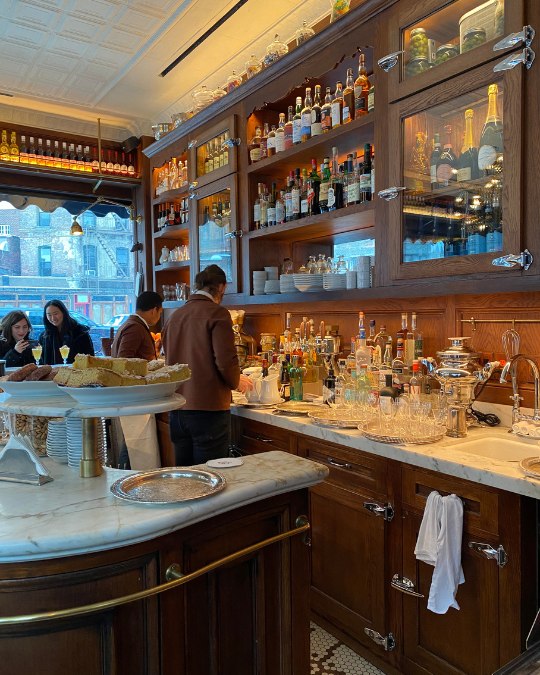

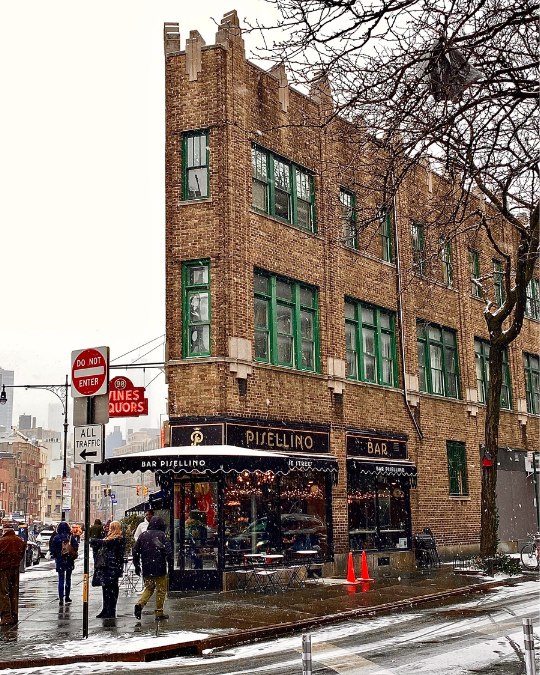
Bar Pisellino is already an institution at its original Village location: espresso, aperitivo, cichetti, a carefully chosen wine list, and the unhurried rhythm of an Italian bar where no one seems in a hurry to leave. At the Flatiron, the spirit will be the same — with a view from the windows of one of Manhattan's most photographed corners. Not yet open at the time this guide was published. We'll update the page as soon as the doors open.
Where It Is and How to Get There
Address: 175 Fifth Avenue, corner of 23rd Street, Flatiron District, Manhattan, NY 10010. The Flatiron Building occupies the entire triangular block bounded by Fifth Avenue, Broadway, and 22nd and 23rd Streets. You won't miss it — it's visible from several blocks away, and the neighborhood takes its name from it.
By Subway
N, R, W trains: 23rd Street station (Broadway/Sixth Avenue) — exit directly in front of the building.
6 train: 23rd Street station (Park Avenue South) — 5-minute walk west.
Walking From Nearby Landmarks
Union Square: 10 minutes north on Broadway · Empire State Building: 15 minutes north on Fifth Avenue · Chelsea & The High Line: 15 minutes west · Gramercy Park: 10 minutes east.
By Car or Private Transfer
The area is subject to Manhattan's congestion pricing zone — public transit is worth considering. Our private airport transfers from JFK, Newark, and LaGuardia can be arranged with stops along the way, congestion pricing included in the quoted rate — no surprises.
How to Visit and Photograph It: Advice From People Who Know
The Flatiron Building isn't visited — it's experienced. There's no entrance, no ticket, no line. It exists in public space, and the best way to take it in is to slow down, walk around it, and choose the right moment.
Best Vantage Points
The northern tip, at the corner of Fifth Avenue and 23rd Street, is the classic spot for a head-on photograph: the triangular shape is most apparent here, and you get the full drama of the lot. Watch for foot traffic — the sidewalk is narrow and busy.
Madison Square Park, directly behind the building, offers the most cinematic view. From the benches in the central area of the park, the Flatiron emerges through the trees like the prow of an ocean liner. In spring, with the trees in bloom, it's one of the most beautiful images in New York.
The Broadway angle between 22nd and 23rd Streets is the least photographed but most unusual perspective: you see the long side of the building stretching along the avenue, with traffic running parallel to the facade. The right choice for anyone after a less conventional shot.
When to Go
At sunrise, the eastern facade catches direct golden light — few people around, relative quiet. This is when photographers tend to show up. At sunset, the light hits the Fifth Avenue side as the city begins to illuminate itself behind you.
Weekday midday — roughly noon to 2 PM — is the worst time: the sidewalk is crowded and the atmosphere is pure commuter crossroads, not a place to linger.
Evening is now genuinely worth considering: with the LED lighting already active on the scaffolding-free sections of the facade, the Flatiron offers a nighttime dimension no visitor has experienced before. After 8 PM, when foot traffic thins, the illuminated building has an almost theatrical presence.
The Neighborhood: What to Do Nearby
The Flatiron District is one of Manhattan's most pleasant and walkable neighborhoods — and not in the generic way that phrase gets applied to anywhere with a sidewalk. It has a scale and variety that make every walk feel genuinely rewarding.
Madison Square Park is the neighborhood's real public square — one of the most carefully maintained parks in the city, with a programming calendar of events from summer through fall. Eataly, at 200 Fifth Avenue, is five minutes on foot: the largest Italian food market in the United States of cheese, cured meats, fresh pasta, wine, restaurants, and cafes. For international visitors with Italian roots, it's the place that feels, inexplicably, like home.
The stretch of Fifth Avenue between 20th and 30th Street is one of New York's most interesting walks outside the standard tourist circuit: design showrooms, specialty stores, historic buildings alongside contemporary ones. Less photographed than Midtown, more lived-in.
Explore With Us
The Flatiron District could be included in our Manhattan The Classic™ tour, which covers the key landmarks of Midtown-South with a dedicated private guide. For a deeper exploration of the neighborhood, our Private City Tour™ can be built around this area — combining the Flatiron with Gramercy, Chelsea, and the High Line in a tailored itinerary.
Frequently Asked Questions
Not right now. The Flatiron Building is actively undergoing conversion into luxury residences. The ground floor will be the first space to reopen to the public, with the arrival of Bar Pisellino. We'll update this page as soon as the timeline is confirmed.
Sunrise for golden light on the eastern facade. Sunset for the Fifth Avenue side. Evening, with the new night lighting partially active, is an option no visitor has ever had before — worth exploring. Avoid weekday lunch hours.
Not at all. The Flatiron District sits almost exactly halfway between Midtown and Downtown. The Empire State Building is a 15-minute walk north; Union Square is 10 minutes south; the High Line is 15 minutes west.
Absolutely. Our Manhattan The Classic™ and Private City Tour™ both pass through this area and can be customized to include the Flatiron with the historical and architectural depth it deserves.
Yes. The sidewalks around the building are fully accessible, and Madison Square Park is easy to navigate throughout. The neighborhood is flat with no significant barriers. Our Wheelchair Accessible Tours™ include this area on request.
Yes — at its narrowest point, the northern tip of the building is just six feet across. Early tenants described the interior as "a maze of oddly shaped rooms." The triangular form that makes the building iconic was, for the people who worked inside it, a daily puzzle.
Ready to experience New York privately?
We build tailored itineraries, private guided tours, and airport transfers for travelers who want more than the standard visit.



Guide written by New York Welcome — updated May 2026. This page will be updated as the residential conversion is completed and Bar Pisellino opens.
- Private Walking Tours™
- Private Bespoke Experiences™
- NYC Vacation Packages™
- Corporate & VIP™
- Escorted Coach Tours
- Cruises & Helicopters
- Museum Tickets + NYC Passes
- Broadway Shows
- NYC by Night: Cruises & Activities
- NYC by Holidays: Cruises & Activities
- Restaurants
- Day Trips & Extended Tours
- Guided City Tours
- Bike Tours



.jpg)






 be free!




Unforgettable holiday in New York, fantastic tour operator Irene, who introduced us to the city in all its beauty by telling us the story and describing passionately the life of the place. [...] Irene, I was able to see a Yankees tie as a fan, a dream of mine in the drawer..thanks for your help. Top. Thanks.
From TripAdvisor - May 2025

During my recent trip to New York, I had the pleasure of meeting Irene who accompanied us on a tour of the city, and the experience was unforgettable. From the first moment, she was welcoming, knowledgeable and incredibly passionate [...]
From Google - Feb 2025
We relied on them to organize a group tour in New York. Professional, precise, helpful, friendly. We can only thank Mr. Tony, who followed us impeccably in the planning, and his daughter Irene, an extraordinary guide, who showed us New York in a way that we will not forget. [...]
From Google - November 2024

I am the owner of a Travel Agency. We are Italian in Erba, Eolo travel, I brought a small group and I entrusted myself to Tony. We received great service from start to finish. Punctuality and excellent guides.Thank you for the wonderful experience!!!
From Google - May 2024

Irene? as I have already said elsewhere, she truly deserves all the compliments that are paid to her. Available, friendly, prepared, in short, if you need an Italian speaking guide in New York, she is the right person. You deserve 5 stars and more!
From TripAdvisor - April 2024

An extraordinary experience: I had the pleasure of having Irene as my guide for two days and thanks to the passion she puts into guiding you through the streets of NYC, the anecdotes, the trivia she lets you discover, and the facets she shows during the tour you can't help but fall even more in love with this wonderful city.
From Google - February 2024

Excellent guide, excellent organisation, Irene always ready to respond, available in every topic with competence, you can feel the passion for her work. Her voice accompanied our tour, we will miss you!
From Google - January 2024

[...] unique, very professional, courteous, friendly we can only write positive adjectives, you made us feel at home and have the desire to return. Super recommended. Erica, Marco, Annalisa and Giuseppe.
From Google - December 2023

We did 2 tours together with our guide Irene in one day, Hoboken and the East side. What can I say, in addition to the wonderful places, she has made everything more magical [...]
From Google - January 2023

Irene was a FANTASTIC tour guide! She was so knowledgeable about the area and was so patient with all our questions. We stopped to use the bathroom and we got coffee halfway through, she was so kind! It was a pleasure learning about Brooklyn from you!
From TripAdvisor - April 2022

I’m the biggest fan of Fall activities, but haven’t had a chance to do anything beyond Apple Picking in NJ. I decided to take a last minute 2 day trip with a friend in Hudson Valley, but didn’t know where to start [...] Thankfully I was able to use New York Welcome to do the hard work for us [...]
From TripAdvisor - October 2021
- New York City Travel Guide
- How Much Does New York Cost?
- Christmas in New York
- Best Rooftop Bars in NYC: Where to Drink with a View in New York
- Time Zone and Jet Leg
- Accommodations: Choose Where to Stay
- New York City Public Transportation
- Weather: Fall in New York
- Weather: Winter in New York
- Weather: Spring in New York
- Weather: Summer in New York
- 101+ Excursions in New York City
- Grand Central Terminal
- Covid-19 Updates
- Niagara Falls Day Trip by Airplane™
- Washington DC - Visit the Capital
- Niagara Falls & Toronto & 1000-Islands
- American Triangle: 5-Day Excursion
- American Getaway: 4-Day Excursion
- Discover Boston in 1 Day
- 1-Day: The Hamptons & The Beaches
- How to Visit Niagara Falls From NYC
- NYC & Orlando Travel Package™
- NYC & Chicago Travel Package™
- Pre- or Post-Cruise Escapes™




 Loading...