
Empire State Building New York: Complete Guide to the Observatory 2026
History, panoramic views, and practical tips for visiting the most iconic skyscraper in Manhattan.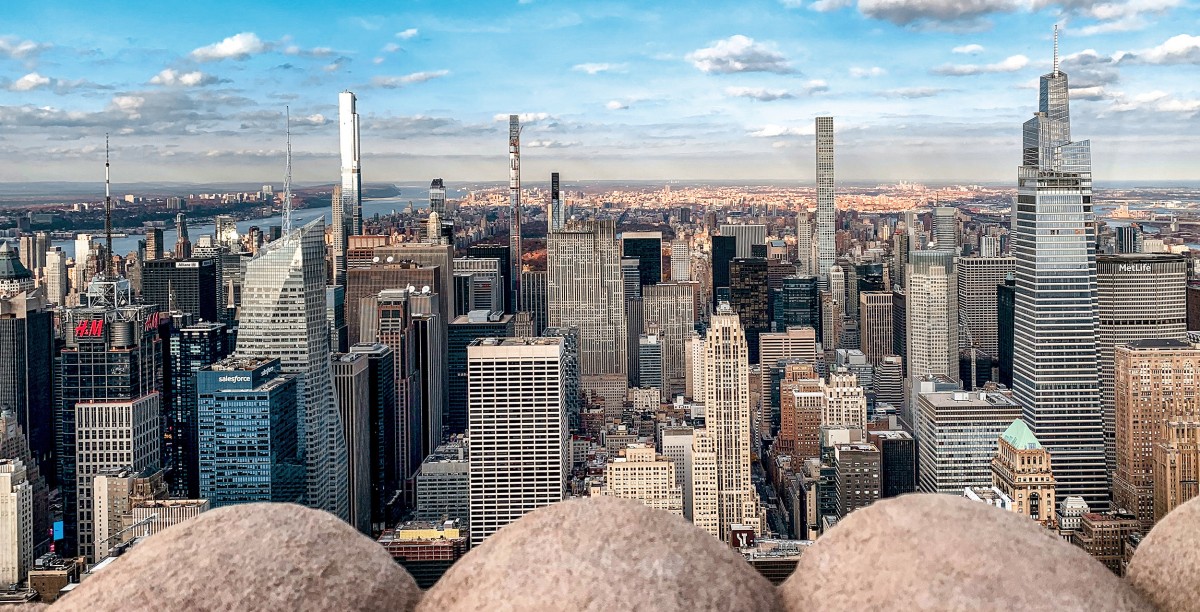
Categories: What to see - Monuments & Attractions
WHERE: 5th Avenue & 34th Street OPENING HOURS: 9:00 am – 12:00 am
ACTIVITY: 360 Panoramic Views

Among the most iconic landmarks in New York, the Empire State Building holds a place of its own: with its Art Deco design, the lights that illuminate the Manhattan skyline, and a history spanning nearly a century, it has become one of the most recognizable symbols of the city.
Visiting the Empire State Building observatory is one of the most memorable experiences you can have in the Big Apple. From the terrace of the 86th floor, a spectacular 360-degree view opens over Manhattan, Central Park, the Brooklyn Bridge, the Statue of Liberty, and the city's most celebrated neighborhoods.
This guide covers everything you need to plan your visit: from the building's history to the details of each observatory level, along with practical information on hours, tickets, prices, and tips for choosing the experience that's right for you.
Empire State Building: The Symbol of New York
The Empire State Building is not simply one of the world's most famous skyscrapers — it also stands as one of the greatest architectural achievements of 20th-century America.Construction began in 1930, during the Great Depression, a period defined by the economic crisis that followed the Wall Street Crash of 1929. Despite those conditions, the project moved forward at a remarkable pace and was completed in just 1 year and 45 days.
The official opening took place on May 1, 1931. Standing at 1,250 feet (381 meters) — or 1,454 feet (443 meters) including the antenna — the building immediately claimed the title of tallest building in the world, surpassing the nearby Chrysler Building.
It held that record until 1967, when it was overtaken by the main tower of the World Trade Center. Yet losing the title has never diminished its appeal, and the Empire State Building remains one of New York's most visited attractions to this day.
Over the decades, it has also become an icon of pop culture, thanks to celebrated appearances in films and TV series including King Kong (1933), Sleepless in Seattle, Independence Day, Elf, and Gossip Girl.
What Is the Empire State Building Observatory Like?
Visiting the Empire State Building means, above all, reaching its observation decks — designed to offer some of the most spectacular views in the city.The two main viewing levels are the 86th floor, the most famous and included in the majority of tickets, and the 102nd floor, a more exclusive experience at the highest point accessible to the public.
The 86th Floor Observatory: New York's Most Famous Panoramic Terrace
The 86th floor observatory is the heart of the visit. Situated at approximately 1,050 feet (320 meters), it offers an open-air terrace with a 360-degree view over Manhattan. From here, you can take in some of New York's most iconic sights:- Lower Manhattan with One World Trade Center and the Financial District;
- the Statue of Liberty;
- the Brooklyn Bridge and the East River;
- Central Park and Upper Manhattan;
- the Hudson River and New Jersey.
The 102nd Floor: Is the Upgrade Worth It?
The 102nd floor of the Empire State Building offers a different experience from the main terrace. Following its renovation, this observatory was transformed into a fully enclosed space with large panoramic windows.Unlike the 86th floor, it doesn't offer the open-air experience, but it does provide an even higher vantage point and a quieter, more intimate atmosphere — particularly appreciated on cold or windy days.
The upgrade is worth considering for anyone visiting New York for the first time who wants the most complete experience possible. For most visitors, however, the 86th floor remains the more thrilling choice, thanks to the open-air terrace.
Photo gallery - Empire State Building
Empire State Building - Observatory by New York WelcomeEmpire State Building vs Top of the Rock: Which Should You Choose?
Deciding between the Empire State Building and Top of the Rock is one of the most common dilemmas for anyone planning a trip to New York. Both offer spectacular panoramas, but the experiences they deliver are very different.Why Choose the Empire State Building
The Empire State Building is the ideal choice for first-time visitors to New York who want a truly memorable experience.Its appeal goes beyond the view: visiting the observatory means stepping into a piece of American history, admiring the architecture up close, and standing inside one of the most celebrated symbols in the world.
Its central location in Midtown Manhattan also means an outstanding southward view toward Lower Manhattan — taking in One World Trade Center, the Financial District, and the Statue of Liberty.
It's the best choice for those who want to:
- visit one of New York's most iconic landmarks;
- experience something rooted in history and architecture;
- stand at the top of the city's most famous skyscraper;
- enjoy a view straight out of a movie.
Why Choose Top of the Rock
The Top of the Rock, located in Rockefeller Center, offers one of the most complete panoramic perspectives in Manhattan.Its key advantage is the view of the Empire State Building itself: positioned directly across from the landmark, it allows for photographs of the New York skyline with the Empire State Building as the centerpiece.
It's particularly suited to those looking for:
- the best panoramic photographs of the city;
- a spectacular view of Central Park;
- a modern observatory with open-air terraces;
- an experience to pair with a visit to Rockefeller Center.
How Much Does It Cost to Visit the Empire State Building in 2026?
The price of visiting the Empire State Building varies depending on the ticket type, the observatory level included, and the date of your visit.In 2026, the standard ticket to the 86th floor observatory starts at around $44, with reduced rates available for children and seniors. Children 6 and under are admitted free of charge.
Access to the 102nd floor requires a combined ticket, starting at approximately $79, also with discounts for specific age groups.
Special experiences are also available, including the VIP Express option for those who want to minimize wait times, and the Sunrise Experience, which allows you to visit the observatory in the early morning hours and watch New York wake up at dawn.
Prices can change based on the season and availability, so it's always advisable to check the current rate on the official website when booking.
Is It Worth Buying Tickets Online?
Purchasing Empire State Building tickets online is the most practical approach — especially during peak periods such as summer, the Christmas holiday season, and long weekends.Booking in advance lets you choose your preferred time slot, skip the box office line, and receive your digital ticket as a QR code directly on your smartphone.
This is especially important for sunset visits, one of the most popular time slots of the day. During high season, available spots can fill up quickly.
Tourist Passes That Include the Empire State Building
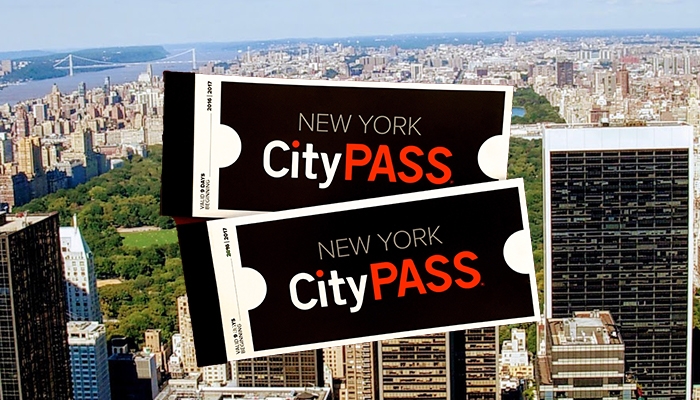
If you're planning to visit multiple attractions during your stay in New York, a tourist pass may be worth considering.The Empire State Building is included in several of the most popular options, including the CityPASS, the New York Pass, and the Go City New York Explorer Pass.
Whether a pass represents good value depends on your itinerary: for those planning to visit several museums, observatories, tours, and attractions, a pass can offer significant savings. For visitors who prefer to focus on exploring neighborhoods, walking, and local experiences, buying individual tickets for key attractions may work out more economically.
Before deciding, it's worth comparing the number of days available, the attractions included, and the pace of your trip.
The Empire State Building Light Show: Why Does It Change Color?
The Empire State Building's lighting is one of the most distinctive features of the New York skyline. Every evening, the top of the skyscraper changes color to mark holidays, cultural events, national anniversaries, and important moments in the life of the city.The Empire State Building is occasionally lit in green, white, and red to honor events connected to the Italian-American community. These include Columbus Day, celebrations of Italian culture, institutional anniversaries, and particularly significant sporting occasions.
The official lighting calendar is updated regularly and can be checked before your visit.
The Year's Most Spectacular Lighting Displays
Throughout the year, the Empire State Building changes color for dozens of occasions. Among the most celebrated are the Christmas lights, the St. Patrick's Day green, the Fourth of July red, white, and blue, the Pride Month rainbow, and the colors of New York's sports teams.On occasions connected to the Italian-American community — such as Columbus Day or particular cultural and institutional celebrations — the building also lights up in the Italian tricolor. The official lighting schedule is updated regularly and is available to consult before your visit.
Practical Information for Visiting the Empire State Building
Before planning your visit, it's helpful to have a clear picture of the practical details — from hours and access to available services and public transit connections.Where It Is and How to Get There
The Empire State Building is located in the heart of Midtown Manhattan, at 20 West 34th Street.The observatory entrance is on 34th Street, where security checks and the visitor route begin.
The most convenient way to reach the building is by subway. The nearest stations are:
- 34th St–Herald Square, served by the B, D, F, M, N, Q, R, and W trains;
- 33rd St, served by the 4, 6, and 6 Express trains;
- Penn Station, easily reachable by multiple subway and commuter rail lines.
Map – How to get to the Empire State Building and the surrounding area
Hours, Accessibility, and Services
The Empire State Building is generally open every day of the year from 9:00 AM to midnight, with last entry approximately 45 minutes before closing.The average visit lasts around one hour, though many visitors choose to stay longer — especially during sunset or in the evening — to take in the views at a leisurely pace. Hours may be subject to change, so checking the official website beforehand is always recommended.
The building is accessible to visitors with reduced mobility, with elevators and dedicated routes throughout. Available services include:
- digital audio guide, available in multiple languages;
- informational content on the history of the building;
- photography areas;
- restrooms;
- staff assistance throughout the visit.
What to See Near the Empire State Building
A visit to the Empire State Building fits naturally into a broader itinerary exploring Midtown Manhattan.Just a few minutes' walk away is Bryant Park, one of the most beloved green spaces in the city — a perfect spot for a break between visits. Nearby, the New York Public Library impresses with its grand Beaux-Arts architecture and the celebrated Rose Main Reading Room.
Heading north leads to the Rockefeller Center and the Top of the Rock, while heading east brings you to the Chrysler Building — one of the finest examples of Art Deco architecture in the world and one of Manhattan's most photographed structures.
Empire State Building: Tips for a Smooth Visit
Getting the most out of the experience goes beyond simply choosing the right day — timing, booking strategy, and a few practical details can all make a real difference.How to Avoid the Lines
The best way to make your visit more enjoyable is to purchase your ticket online and select a time slot in advance.The busiest periods are typically the evening hours, weekends, and peak seasons or holidays such as Christmas. Visiting in the morning or later in the evening generally means fewer crowds and a more relaxed experience.
What Not to Bring
Like many major New York attractions, the Empire State Building has security checks at the entrance.Large or bulky items that could hinder the visitor flow — including oversized luggage, large backpacks, or unauthorized equipment — are generally not permitted inside.
Professional tripods may also be subject to restrictions, so anyone planning specialized photography should check the current rules before visiting.
Frequently Asked Questions About the Empire State Building
Before visiting the Empire State Building, it's natural to have a few practical questions. Here are answers to the most common ones.
Plan on approximately one and a half hours. The visit may take longer if you add the 102nd floor or choose to linger on the terrace to enjoy the view — particularly at sunset.
Access to the 86th floor starts at around $44 per adult. The combined ticket including the 102nd floor starts at approximately $79. Prices may vary by season and availability. Children 6 and under are admitted free.
It depends on what you're looking for. The 86th floor offers the more exciting open-air terrace experience, while the 102nd floor is recommended for those seeking something more exclusive — and is a better option on cold or windy days thanks to its enclosed design.
It depends on the experience you want. The Empire State Building is the right choice for those who want to visit a historic New York landmark; Top of the Rock is ideal for those who want to photograph the skyline with the Empire State Building as the star of the frame.
Yes, the observatory is normally open 365 days a year, from 9:00 AM to midnight. Hours may occasionally vary due to the season or special events — always check the official website before your visit.
Yes. The visit includes digital informational content available in multiple languages, helping you learn about the building's history, construction, and cultural significance as you explore.
Sì, l'Empire State Building è incluso in alcuni pass turistici dedicati alle principali attrazioni di New York, tra cui il CityPASS, il New York Pass e il Go City Explorer Pass.
Incredible images of New York's Empire State Building in a documentary film – When the Empire lights up
Activities that might interest you
.jpg)




ALL TOURS & ACTIVITIES
- Private Walking Tours™
- Private Bespoke Experiences™
- NYC Vacation Packages™
- Corporate & VIP™
- Escorted Coach Tours
- Cruises & Helicopters
- Museum Tickets + NYC Passes
- Broadway Shows
- NYC by Night: Cruises & Activities
- NYC by Holidays: Cruises & Activities
- Restaurants
- Day Trips & Extended Tours
- Guided City Tours
- Bike Tours




.jpg)









 be free!




Unforgettable holiday in New York, fantastic tour operator Irene, who introduced us to the city in all its beauty by telling us the story and describing passionately the life of the place. [...] Irene, I was able to see a Yankees tie as a fan, a dream of mine in the drawer..thanks for your help. Top. Thanks.
From TripAdvisor - May 2025

During my recent trip to New York, I had the pleasure of meeting Irene who accompanied us on a tour of the city, and the experience was unforgettable. From the first moment, she was welcoming, knowledgeable and incredibly passionate [...]
From Google - Feb 2025
We relied on them to organize a group tour in New York. Professional, precise, helpful, friendly. We can only thank Mr. Tony, who followed us impeccably in the planning, and his daughter Irene, an extraordinary guide, who showed us New York in a way that we will not forget. [...]
From Google - November 2024

I am the owner of a Travel Agency. We are Italian in Erba, Eolo travel, I brought a small group and I entrusted myself to Tony. We received great service from start to finish. Punctuality and excellent guides.Thank you for the wonderful experience!!!
From Google - May 2024

Irene? as I have already said elsewhere, she truly deserves all the compliments that are paid to her. Available, friendly, prepared, in short, if you need an Italian speaking guide in New York, she is the right person. You deserve 5 stars and more!
From TripAdvisor - April 2024

An extraordinary experience: I had the pleasure of having Irene as my guide for two days and thanks to the passion she puts into guiding you through the streets of NYC, the anecdotes, the trivia she lets you discover, and the facets she shows during the tour you can't help but fall even more in love with this wonderful city.
From Google - February 2024

Excellent guide, excellent organisation, Irene always ready to respond, available in every topic with competence, you can feel the passion for her work. Her voice accompanied our tour, we will miss you!
From Google - January 2024

[...] unique, very professional, courteous, friendly we can only write positive adjectives, you made us feel at home and have the desire to return. Super recommended. Erica, Marco, Annalisa and Giuseppe.
From Google - December 2023

We did 2 tours together with our guide Irene in one day, Hoboken and the East side. What can I say, in addition to the wonderful places, she has made everything more magical [...]
From Google - January 2023

Irene was a FANTASTIC tour guide! She was so knowledgeable about the area and was so patient with all our questions. We stopped to use the bathroom and we got coffee halfway through, she was so kind! It was a pleasure learning about Brooklyn from you!
From TripAdvisor - April 2022

I’m the biggest fan of Fall activities, but haven’t had a chance to do anything beyond Apple Picking in NJ. I decided to take a last minute 2 day trip with a friend in Hudson Valley, but didn’t know where to start [...] Thankfully I was able to use New York Welcome to do the hard work for us [...]
From TripAdvisor - October 2021
Information about New York
- New York City Travel Guide
- How Much Does New York Cost?
- Best Rooftop Bars in NYC 2025: Where to Drink with a View in New York
- Time Zone and Jet Leg
- Accommodations: Choose Where to Stay
- New York City Public Transportation
- Weather: Fall in New York
- Weather: Winter in New York
- Weather: Spring in New York
- Weather: Summer in New York
- 101+ Excursions in New York City
- Grand Central Terminal
- Covid-19 Updates
Sightseeing & City Tours in NYC
Day Trips from NYC
- Niagara Falls Day Trip by Airplane™
- Washington DC - Visit the Capital
- Niagara Falls & Toronto & 1000-Islands
- American Triangle: 5-Day Excursion
- American Getaway: 4-Day Excursion
- Discover Boston in 1 Day
- 1-Day: The Hamptons & The Beaches
- How to Visit Niagara Falls From NYC
- NYC & Orlando Travel Package™
- NYC & Chicago Travel Package™
- Pre- or Post-Cruise Escapes™
CORPORATE & VIP SERVICES
Our Destinations in The US
Our Company
We are social



 Join our community of over 350K Followers!
Office

 Loading...