
Broadway, New York: a guide to the Theater District
Discover The Heart of Midtown Manhattan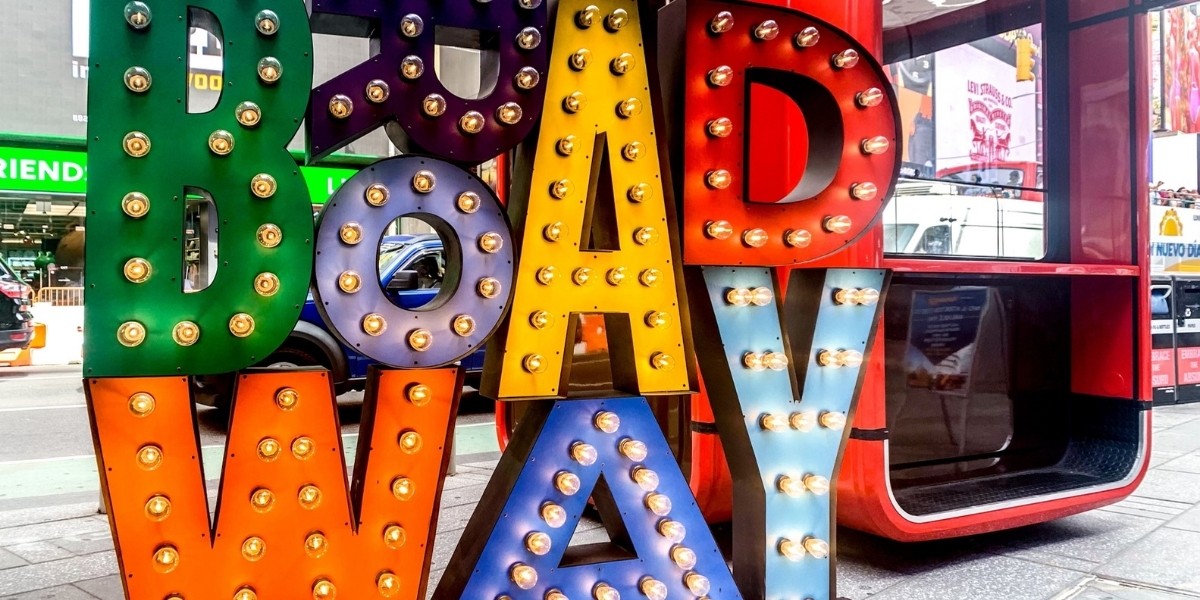

When people think of Broadway in New York City, their minds immediately go to musical theater, glowing marquees, and world-class productions that have defined live entertainment in the United States for over a century. In reality, Broadway is much more than that. Although it is not an avenue (despite its symbolic importance), it is one of the city’s oldest streets, a diagonal urban axis cutting through Manhattan and, above all, a key chapter in American cultural history.
Broadway’s unique layout predates Manhattan’s rational street grid and has accompanied the city’s evolution since colonial times. Along its route, centuries of urban, social, and artistic transformation unfold: from early European settlements to the modern metropolis, passing through the 19th-century era of popular entertainment and the 20th century of large-scale theatrical productions.
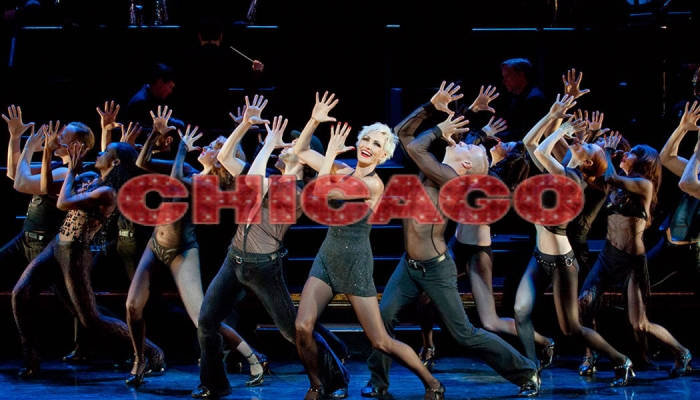
At the same time, Broadway is synonymous with performance. The Broadway theaters, largely concentrated in the Theater District, represent the highest level of American commercial theater. They host productions that rely on resident orchestras, large casts, leading musical directors, and an organizational structure comparable to that of a permanent cultural institution. Musicals, plays, and dramatic productions have taken on a codified form here—one that has influenced musical theater worldwide.
Visiting Broadway therefore means engaging with multiple layers of meaning: the street as an urban experience, the theater district as the heart of Manhattan’s nightlife, and an artistic legacy shaped by composers, directors, choreographers, and internationally renowned orchestras. In this sense, Broadway is not only the ideal place to attend a show, but also a space to explore, understand, and observe carefully in order to grasp one of New York’s most enduring identities.
History of Broadway
The history of Broadway in New York City long predates the theaters and musicals that made it famous. Before becoming a global reference for live performance, Broadway was already a vital artery in Manhattan’s urban development. Its irregular diagonal route has ancient origins and existed well before the orthogonal grid that defines much of modern New York.
From Native paths to colonial New Amsterdam
In pre-colonial times, the area was crossed by a trail used by the Lenape people, connecting the southern tip of the island with its northern territories. With the arrival of the Dutch in the 17th century and the founding of New Amsterdam, this path was widened and adapted to serve the needs of the growing settlement, becoming one of its main internal routes.
Even after British control and the city’s transformation into New York, Broadway retained its central role, evolving alongside Manhattan’s demographic and economic growth. During the 19th century, as the city rapidly expanded northward, Broadway developed into an increasingly important commercial and residential street. Theaters, concert halls, entertainment venues, and public spaces began to cluster along its route—especially in Midtown, which was emerging as a new cultural and social center.
The rise of commercial theater and Broadway’s identity
Between the late 19th and early 20th centuries, Broadway became increasingly associated with theater. Many of the historic venues still operating today were built during this period, designed to host high-profile productions for a growing audience. Unlike many European theaters supported by public institutions or patronage, Broadway theaters developed as private enterprises—commercial in nature, yet defined by very high artistic standards.
This system encouraged the emergence of a hybrid theatrical form combining music, drama, and dance into increasingly complex productions. Over the course of the 20th century, Broadway became the primary laboratory for American musical theater, attracting composers, lyricists, choreographers, and conductors who would leave a lasting mark on the nation’s cultural landscape.
Among the most influential figures of this era was Leonard Bernstein, whose work helped shape a new musical language for the stage. With productions such as West Side Story, Bernstein introduced a sophisticated yet deeply urban style to Broadway—one that engaged with jazz, symphonic music, and European traditions. His career, spanning Broadway, major symphony orchestras, and New York’s academic world, perfectly illustrates the cultural complexity embodied by this iconic street.
Broadway in the 20th century and beyond
Over time, Broadway established itself as an international reference point for musical theater and drama. Productions became increasingly elaborate, featuring resident orchestras, specialized musical directors, and large casts, while audiences grew more global. Despite recurring crises, changing tastes, and evolving entertainment models, Broadway and its theaters have continued to reinvent themselves.
Throughout the 20th century, Broadway developed into a highly specialized theatrical system based on long-running productions and stable musical organizations. Every Broadway show includes a dedicated pit orchestra, made up of professional musicians performing complex scores live.
Many composers and musical directors working in theater maintained close ties with New York’s symphonic world. It is no coincidence that artists active on Broadway have also collaborated with institutions such as the New York Philharmonic, creating a continuous bridge between classical music, musical theater, and urban culture. This permeability between genres is what makes Broadway theaters unique: musical theater here has never been mere light entertainment, but a language capable of absorbing jazz, symphonic writing, rhythmic experimentation, and contemporary influences.
The system, however, has not been immune to periodic crises. Throughout the 20th century, phases of strong growth alternated with periods of contraction, driven by external factors such as:
- the Great Depression of the 1930s;
- competition from cinema and television after World War II;
- rising production costs in the 1970s and 1980s;
- more recent challenges related to the economic sustainability of live performance.
During these periods, the number of productions declined, some theaters closed temporarily, and shows adapted their format and duration to control costs. Yet this very ability to adapt allowed Broadway theaters to survive and evolve. The introduction of internationally appealing musicals, co-productions, increasingly professional management, and more flexible orchestral arrangements has enabled Broadway to maintain a high artistic standard while meeting the expectations of a global audience.
Broadway and the Theater District
For visitors interested in exploring Broadway through its theatrical dimension, the key reference point is the Theater District—the area of Manhattan where most Broadway theaters and related institutions are concentrated. Located in Midtown, roughly between 41st and 54th Streets and from Sixth to Eighth Avenue, its epicenter is Times Square. This is where Broadway as a street meets Broadway as a theatrical system.
The Theater District did not emerge as a planned cultural zone. Instead, it developed through the gradual concentration of theaters and productions between the late 19th century and the early decades of the 20th century, supported by transportation expansion, Midtown’s growth, and increasing demand for entertainment from a growing urban audience. Broadway naturally became the focal point for commercial theater, attracting producers, impresarios, and performers.
Unlike other cultural neighborhoods in New York City, the Theater District has maintained a strong functional specialization. Alongside Broadway theaters are restaurants, historic venues, hotels, and entertainment-focused businesses, creating an area that follows a unique rhythm—relatively quiet during the day and extremely lively in the evening, when audiences arrive for performances.
The Broadway theater system is based on large venues, typically seating more than 500 people, designed to host complex, long-running productions. Each theater has its own architectural identity and history, yet all share high technical standards essential for staging elaborate sets, advanced lighting systems, and live orchestras.
From an urban perspective, the district also represents a remarkable example of historical layering. Modern buildings and illuminated signage coexist with early 20th-century theater façades, historic marquees, and architectural details that tell the story of American commercial theater. Walking through the Theater District—especially as part of a guided tour of New York—offers insight into how Broadway has adapted to the city’s evolution while preserving its central role in Manhattan’s cultural life.
Where Broadway is and how to get there
Broadway is one of the longest and oldest streets in Manhattan, running diagonally from south to north. Unlike most New York streets, which follow a regular grid, Broadway retains an irregular route that reflects its historical origins, predating 19th-century urban planning.
Geographically, Broadway begins in Lower Manhattan near Bowling Green and continues north through very different neighborhoods, eventually passing the Columbia University campus and extending beyond Manhattan. The most famous and frequently visited section is in Midtown, home to the Theater District and many of Broadway’s most iconic theaters.
Main Broadway areas in Manhattan
Along its path, Broadway crosses several key areas of tourist interest, including:
- Lower Manhattan: the southern stretch linked to the city’s early history, featuring civic buildings, historic churches, and the financial district;
- SoHo and Union Square: transitional areas characterized by historic architecture, shopping, and vibrant public spaces;
- Midtown Manhattan: where Broadway intersects with the world of theater, including the Theater District and the highest concentration of Broadway theaters;
- Upper West Side and Morningside Heights: more residential and cultural neighborhoods, leading up to the Columbia University area.
How to get to Broadway, New York
Broadway is easily accessible from anywhere in the city thanks to New York’s extensive public transportation network. The main subway lines serving Broadway include:
- Lines 1, 2, 3 (red line), running largely beneath Broadway, especially on the Upper West Side and in Midtown;
- Lines A, C, E (blue line), convenient for reaching the Theater District and Times Square;
- Lines N, Q, R, W (yellow line), useful for moving around Midtown and connecting with other central areas.
In addition to the subway, numerous bus routes travel along or across Broadway. Once there, many sections of the street—especially in central areas—are ideal for exploring on foot.
What to see and do on Broadway and nearby
The central stretch of Broadway, particularly through Midtown, is one of the city’s most dynamic areas, concentrating entertainment, movement, and visitors from around the world. This is where many of the main Broadway theaters are located, set within a compact urban environment that makes it easy to observe historic venues and explore the surrounding streets.
Just steps from the Theater District lies Times Square, one of New York’s most recognizable landmarks. Known for its massive digital screens, historic theaters, cinemas, and retail spaces, it has long been associated with spectacle and entertainment. While not a cultural destination in the traditional sense, Times Square is deeply connected to Broadway—especially in the evening hours.
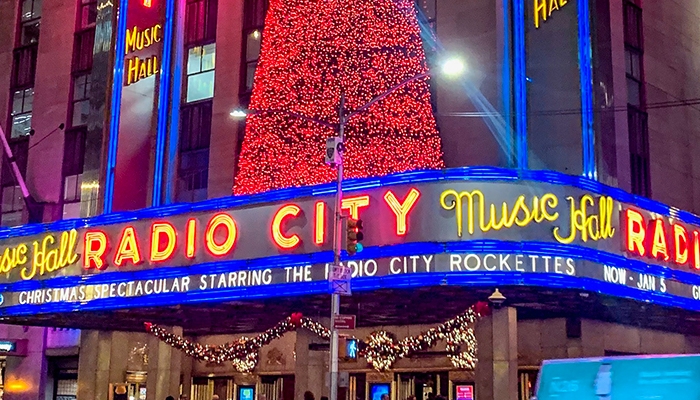
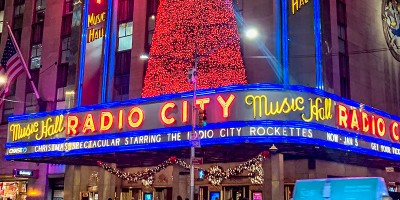
A short walk east brings you to Rockefeller Center, a complex that combines architecture, media, and performance. Beyond its iconic plaza, it houses television studios, exhibition spaces, and the Radio City Music Hall, one of New York’s historic entertainment venues. The close proximity between Rockefeller Center and the Theater District makes this area particularly well suited for walking tours, whether self-guided or part of an organized itinerary.
Other attractions near Broadway theaters
Several nearby points of interest can enhance a visit without straying far from Broadway, including:
- Bryant Park, a popular green space ideal for a break before or after a show;
- Fifth Avenue, within easy walking distance, known for shopping and landmark Midtown buildings;
- Columbus Circle, a major urban junction connected to Broadway and the southwestern entrance to Central Park.
Why visit the Theater District
Visiting the Theater District means stepping into the heart of Broadway and live performance in New York City—an area that has been one of the city’s key cultural hubs for over a century. Unlike other cultural neighborhoods, however, it is not museum-focused nor purely touristic. Instead, it is a functional district built around theatrical production, where historic buildings coexist with modern structures and daily life follows the rhythm of show schedules.
One of the most compelling aspects of the Theater District is its architectural identity. Many theater façades date back to the early 20th century and retain decorative elements and historic marquees that reflect the evolution of American commercial theater. Even visitors who do not plan to attend a performance can stroll among Broadway theaters to experience a unique architectural and cultural heritage that has shaped musical theater and drama worldwide.
From a visitor’s perspective, the Theater District is also extremely accessible. The high concentration of theaters, combined with its proximity to Times Square and Midtown, makes it easy to explore on foot, seamlessly blending performances, urban walks, and short stops along the way. For this reason, the Theater District is often included in a guided tour of New York, offering valuable insight into how the “Broadway system” works and the role this area has played in the city’s cultural development.
Historic Broadway Theaters
The Broadway theaters form the most recognizable core of the Theater District and represent a unique architectural and cultural heritage within the world of live performance. Many of these venues date back to the early decades of the 20th century and are still actively used today, preserving their original theatrical function.
Lyceum Theatre
Opened in 1903, the Lyceum Theatre is the oldest Broadway theater still operating in its original location. Designed by the architectural firm Herts & Tallant, it features a refined and understated style, with a brick façade typical of early 20th-century theater design.
The relatively intimate auditorium creates a close relationship between the stage and the audience. Throughout its long history, the Lyceum has been primarily associated with straight plays and remains a key venue for dramatic theater on Broadway.
New Amsterdam Theatre
Also opened in 1903, the New Amsterdam Theatre is one of Broadway’s most iconic buildings, renowned for its Art Nouveau architecture. Its richly decorated interiors preserve floral motifs and elaborate ornamental details of exceptional quality.
The theater is historically linked to the Ziegfeld Follies, lavish variety shows that, between 1907 and the 1930s, helped transform Broadway into a sophisticated and spectacular entertainment destination. After a long period of closure, the theater was restored in the 1990s and is now closely associated with major Disney Broadway productions.
Hudson Theatre
The Hudson Theatre, also inaugurated in 1903, has had a more unconventional history than many other Broadway theaters. Originally designed as a Beaux-Arts theater, it was later converted into a radio and television studio.
Following an extensive restoration completed in the 21st century, the Hudson Theatre returned to live performance and officially rejoined the Broadway circuit, contributing to the diversity of the Theater District’s theatrical offerings.
Palace Theatre
Opened in 1913, the Palace Theatre is historically associated with vaudeville. For many performers, appearing at the Palace represented the pinnacle of success in American popular entertainment.
Located at the intersection of Broadway and 47th Street, the theater hosted legendary artists such as Judy Garland and Frank Sinatra. After several transformations and restorations, the Palace Theatre has returned as an active Broadway venue.
Shubert Theatre
Also opened in 1913, the Shubert Theatre is closely linked to the Shubert family, among the most influential theatrical producers in New York history. The venue was conceived to host long-running productions, playing a major role in the professionalization of commercial theater in the United States.
Throughout the 20th century, it welcomed numerous landmark productions and continues to be one of Broadway’s most prestigious theaters.
Booth Theatre
The Booth Theatre, named after actor Edwin Booth, has long been associated with dramatic theater. Its more intimate auditorium, compared to other Broadway venues, makes it particularly well suited to text-driven and performance-focused productions.
To this day, it remains one of the most highly regarded Broadway theaters for the artistic quality of its dramatic productions.
Ethel Barrymore Theatre
Opened in 1928, the Ethel Barrymore Theatre is named after one of the most celebrated actresses in American theater history. Since its opening, it has been closely associated with high-quality dramatic productions performed by leading figures of the stage.
Majestic Theatre
The Majestic Theatre, inaugurated in 1927, is one of the great symbols of large-scale Broadway musicals. Designed to accommodate monumental productions, it is famous for hosting some of the longest-running shows in musical theater history.
Other Historic and Iconic Broadway Theaters
Alongside its most famous venues, Broadway is home to additional theaters of significant architectural and symbolic value, reflecting the aesthetic evolution of the Theater District.
Belasco Theatre
The Belasco Theatre, opened in 1909, is closely associated with producer David Belasco. The building recalls Italian Renaissance architectural influences and is known for the intimate, atmospheric quality of its auditorium.
Richard Rodgers Theatre
Opened in 1925, the Richard Rodgers Theatre is deeply connected to the development of the modern American musical. Its name honors one of the most influential composers in Broadway history and symbolizes the legacy of musical theater in New York.
Al Hirschfeld Theatre
The Al Hirschfeld Theatre, inaugurated in 1924, is named after the legendary Broadway illustrator whose caricatures immortalized generations of performers. Its spacious and richly decorated interior reflects the theater’s longstanding dedication to large-scale musical productions.
Walking Along Broadway: From Lower Manhattan to Columbia University
Walking along Broadway in New York is one of the best ways to understand what makes this street unique. Beginning near Bowling Green, Broadway cuts diagonally across Manhattan for approximately 21 kilometers, reaching the area surrounding Columbia University.
Main Stops Along Broadway
- Bowling Green and Battery Place (Lower Manhattan)
- Lower Broadway and the “Canyon of Heroes”
- Astor Place
- Union Square
- Herald Square
- Times Square and the Theater District
- Columbus Circle
- Columbia University (116th Street)
Broadway as Part of an Organized New York Tour
Broadway is not only the street of legendary musicals, but a complex cultural system that weaves together urban history, architecture, music, and live performance. Walking its length—from the historic neighborhoods of Lower Manhattan to the academic setting of Morningside Heights—offers a clear narrative of New York’s evolution through theater.
For this reason, Broadway and the Theater District are frequently included in an organized New York tour, offering visitors the opportunity to understand how the Broadway theater system works, explore historic venues, and appreciate the central role this iconic street continues to play in the city’s cultural life.


- Private Walking Tours™
- Private Bespoke Experiences™
- NYC Vacation Packages™
- Corporate & VIP™
- Escorted Coach Tours
- Cruises & Helicopters
- Museum Tickets + NYC Passes
- Broadway Shows
- NYC by Night: Cruises & Activities
- NYC by Holidays: Cruises & Activities
- Restaurants
- Day Trips & Extended Tours
- Guided City Tours
- Bike Tours



.jpg)





 be free!




Unforgettable holiday in New York, fantastic tour operator Irene, who introduced us to the city in all its beauty by telling us the story and describing passionately the life of the place. [...] Irene, I was able to see a Yankees tie as a fan, a dream of mine in the drawer..thanks for your help. Top. Thanks.
From TripAdvisor - May 2025

During my recent trip to New York, I had the pleasure of meeting Irene who accompanied us on a tour of the city, and the experience was unforgettable. From the first moment, she was welcoming, knowledgeable and incredibly passionate [...]
From Google - Feb 2025
We relied on them to organize a group tour in New York. Professional, precise, helpful, friendly. We can only thank Mr. Tony, who followed us impeccably in the planning, and his daughter Irene, an extraordinary guide, who showed us New York in a way that we will not forget. [...]
From Google - November 2024

I am the owner of a Travel Agency. We are Italian in Erba, Eolo travel, I brought a small group and I entrusted myself to Tony. We received great service from start to finish. Punctuality and excellent guides.Thank you for the wonderful experience!!!
From Google - May 2024

Irene? as I have already said elsewhere, she truly deserves all the compliments that are paid to her. Available, friendly, prepared, in short, if you need an Italian speaking guide in New York, she is the right person. You deserve 5 stars and more!
From TripAdvisor - April 2024

An extraordinary experience: I had the pleasure of having Irene as my guide for two days and thanks to the passion she puts into guiding you through the streets of NYC, the anecdotes, the trivia she lets you discover, and the facets she shows during the tour you can't help but fall even more in love with this wonderful city.
From Google - February 2024

Excellent guide, excellent organisation, Irene always ready to respond, available in every topic with competence, you can feel the passion for her work. Her voice accompanied our tour, we will miss you!
From Google - January 2024

[...] unique, very professional, courteous, friendly we can only write positive adjectives, you made us feel at home and have the desire to return. Super recommended. Erica, Marco, Annalisa and Giuseppe.
From Google - December 2023

We did 2 tours together with our guide Irene in one day, Hoboken and the East side. What can I say, in addition to the wonderful places, she has made everything more magical [...]
From Google - January 2023

Irene was a FANTASTIC tour guide! She was so knowledgeable about the area and was so patient with all our questions. We stopped to use the bathroom and we got coffee halfway through, she was so kind! It was a pleasure learning about Brooklyn from you!
From TripAdvisor - April 2022

I’m the biggest fan of Fall activities, but haven’t had a chance to do anything beyond Apple Picking in NJ. I decided to take a last minute 2 day trip with a friend in Hudson Valley, but didn’t know where to start [...] Thankfully I was able to use New York Welcome to do the hard work for us [...]
From TripAdvisor - October 2021
- New York City Travel Guide
- How Much Does New York Cost?
- Christmas in New York
- Best Rooftop Bars in NYC: Where to Drink with a View in New York
- Time Zone and Jet Leg
- Accommodations: Choose Where to Stay
- New York City Public Transportation
- Weather: Fall in New York
- Weather: Winter in New York
- Weather: Spring in New York
- Weather: Summer in New York
- 101+ Excursions in New York City
- Grand Central Terminal
- Covid-19 Updates
- Niagara Falls Day Trip by Airplane™
- Washington DC - Visit the Capital
- Niagara Falls & Toronto & 1000-Islands
- American Triangle: 5-Day Excursion
- American Getaway: 4-Day Excursion
- Discover Boston in 1 Day
- 1-Day: The Hamptons & The Beaches
- How to Visit Niagara Falls From NYC
- NYC & Orlando Travel Package™
- NYC & Chicago Travel Package™
- Pre- or Post-Cruise Escapes™




 Loading...